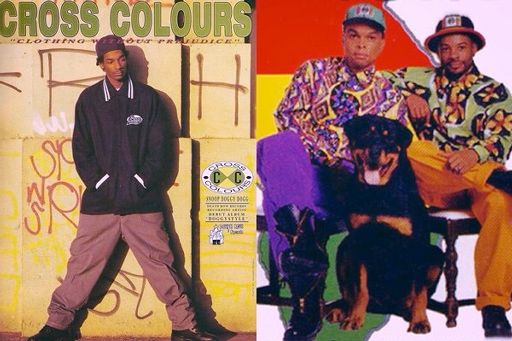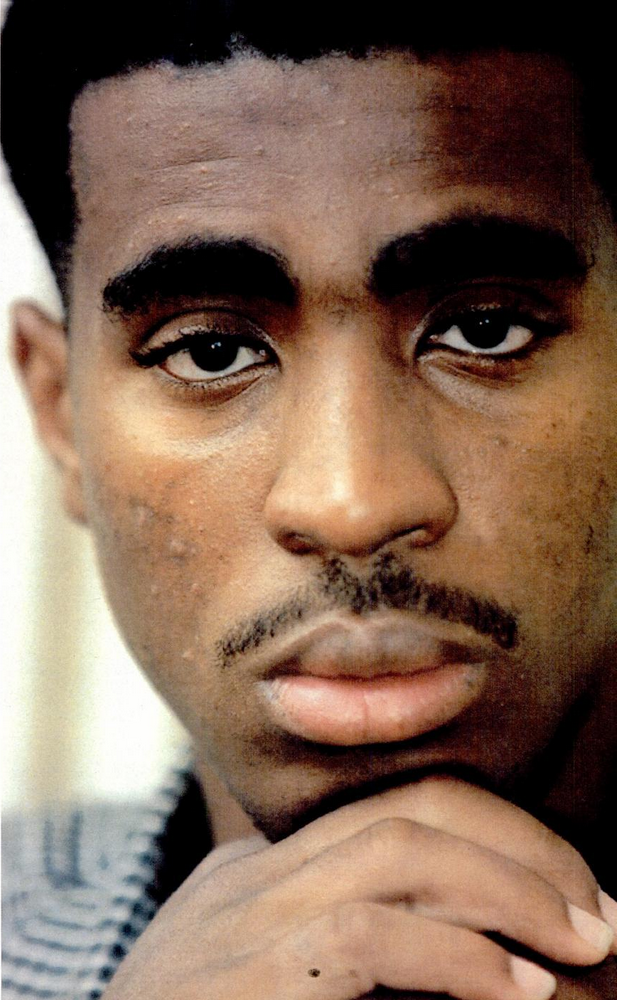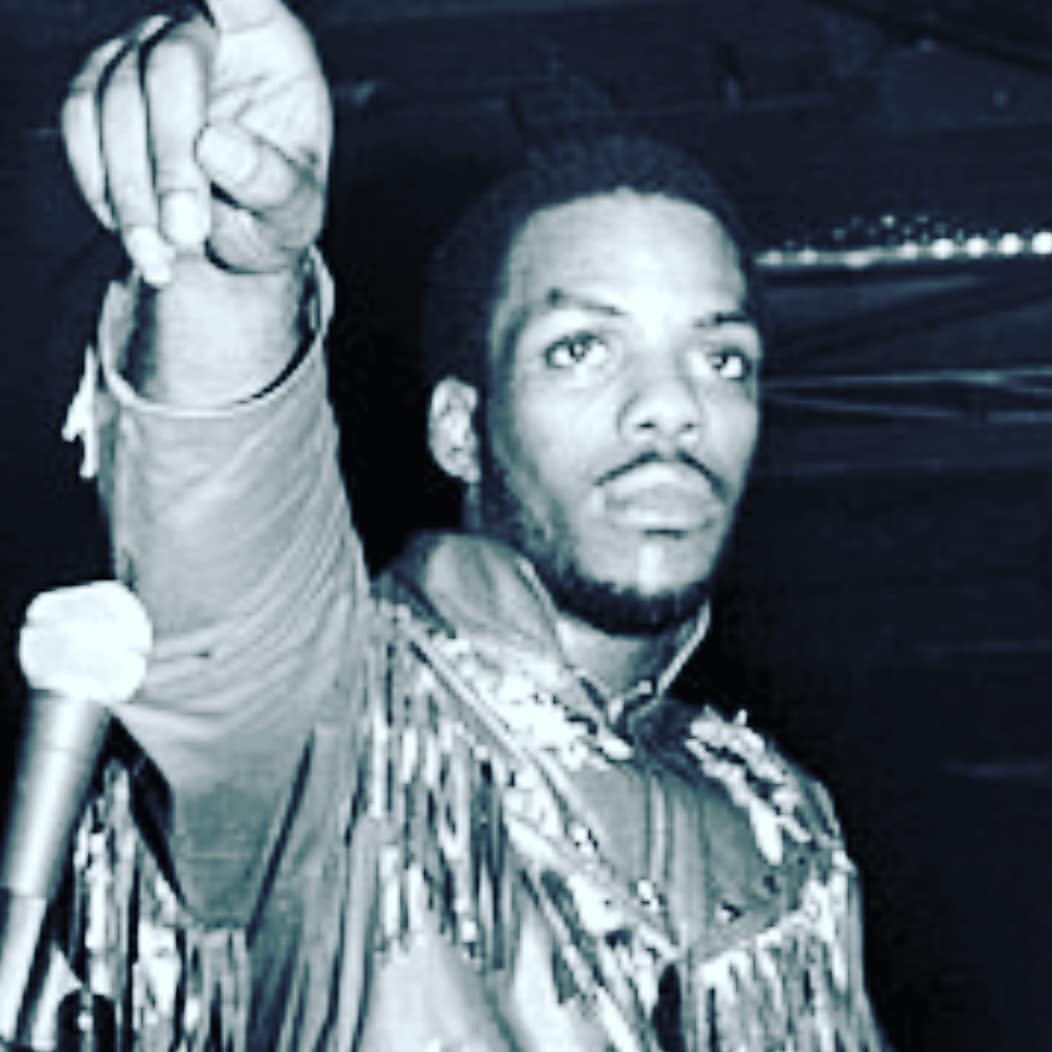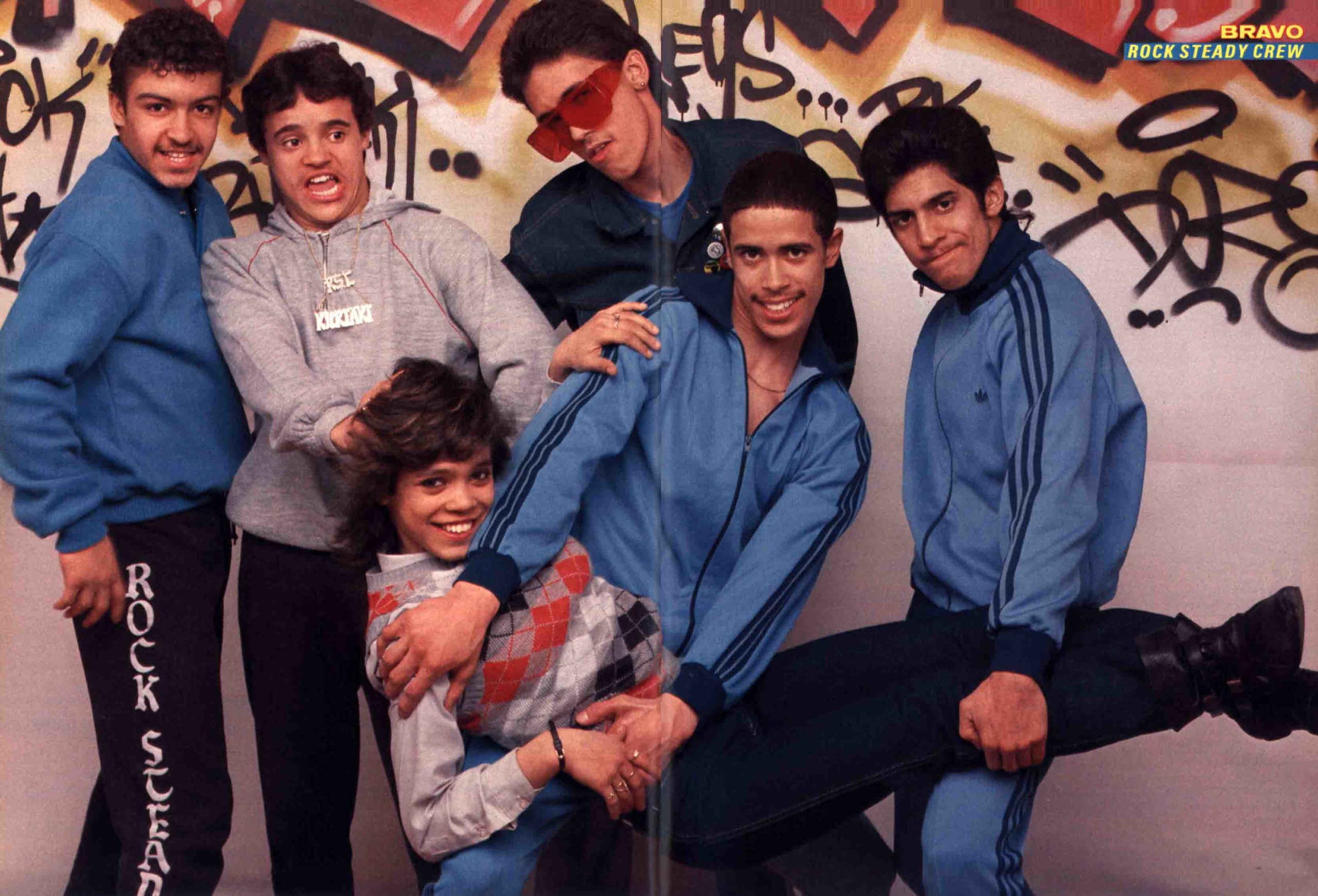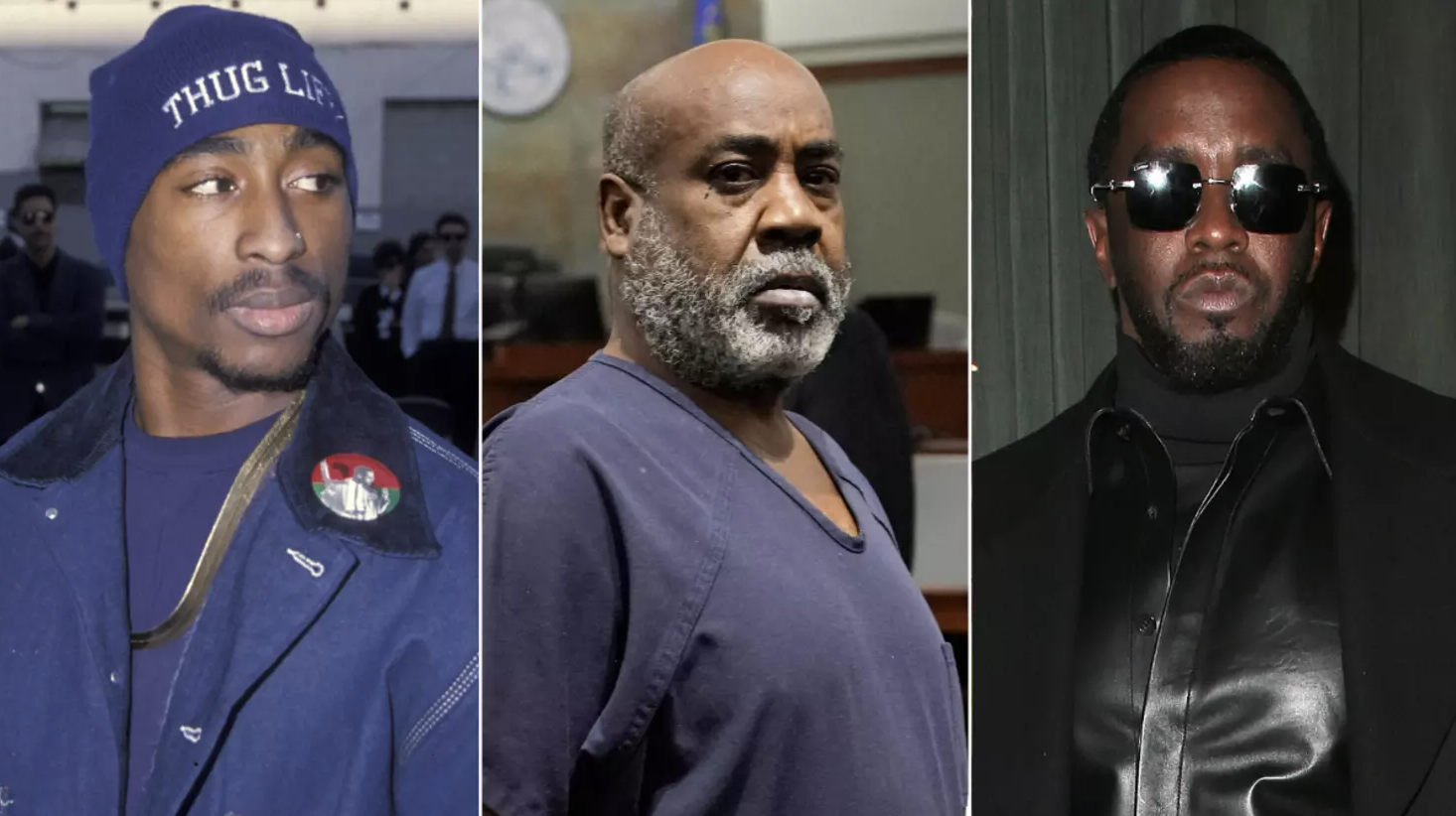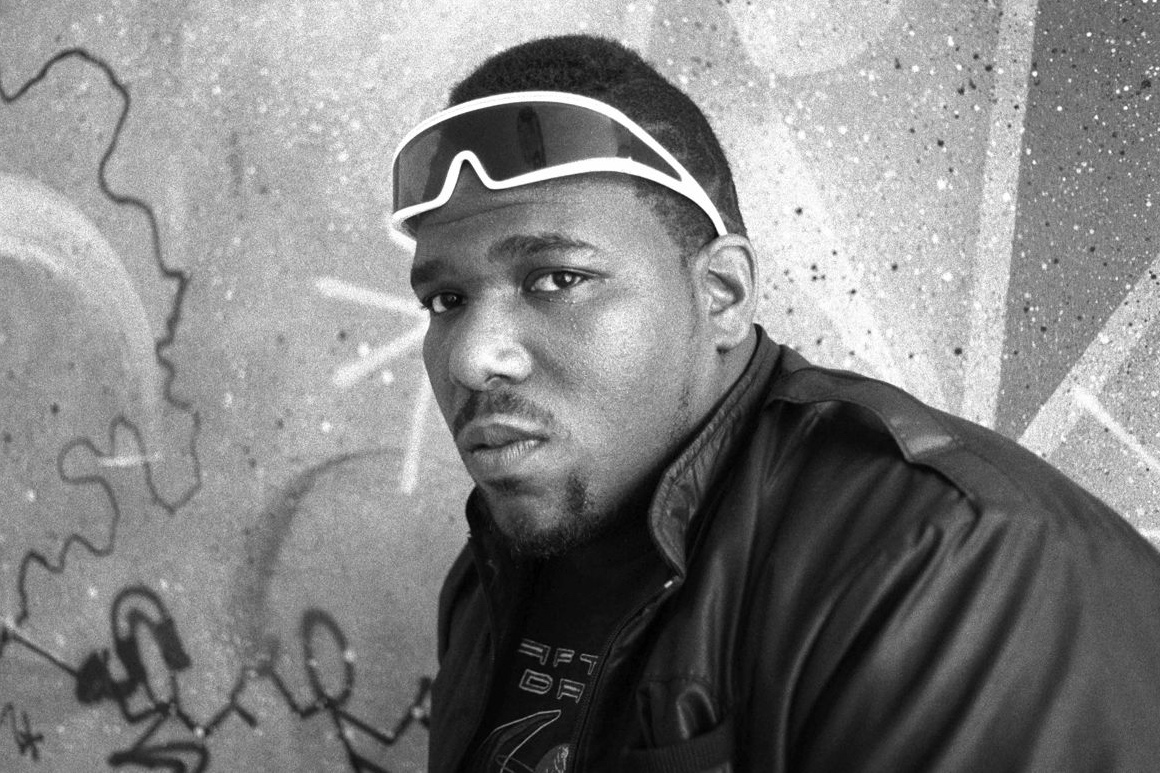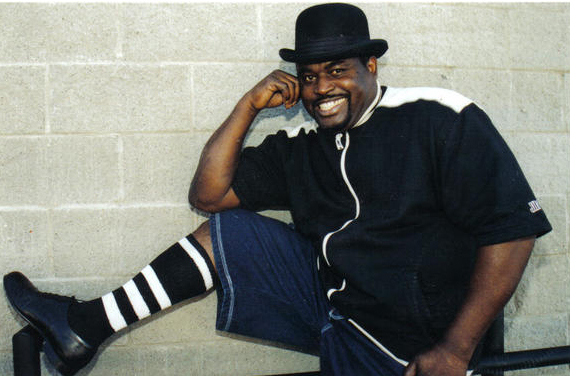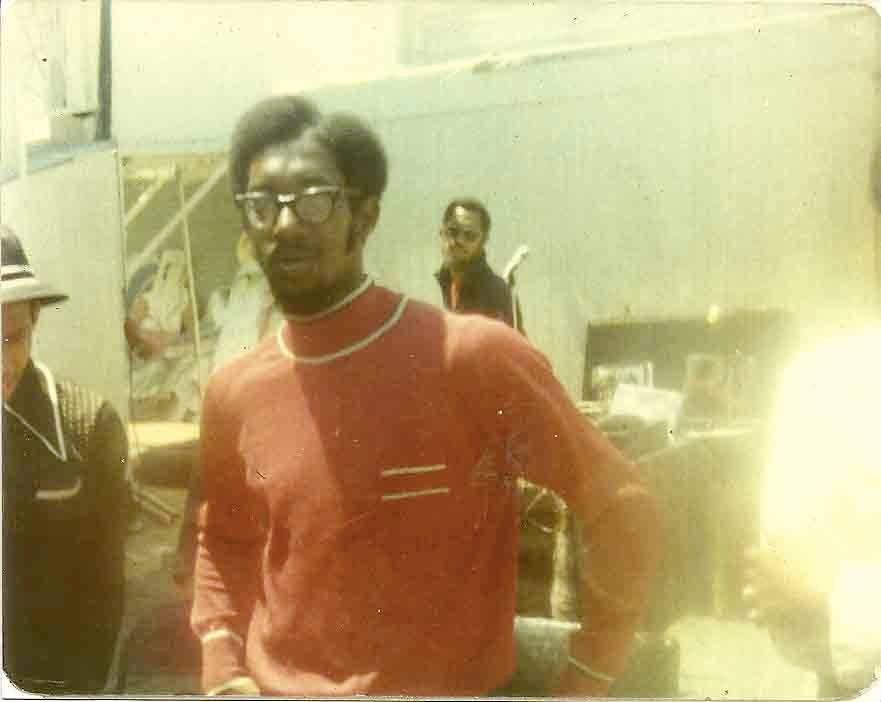

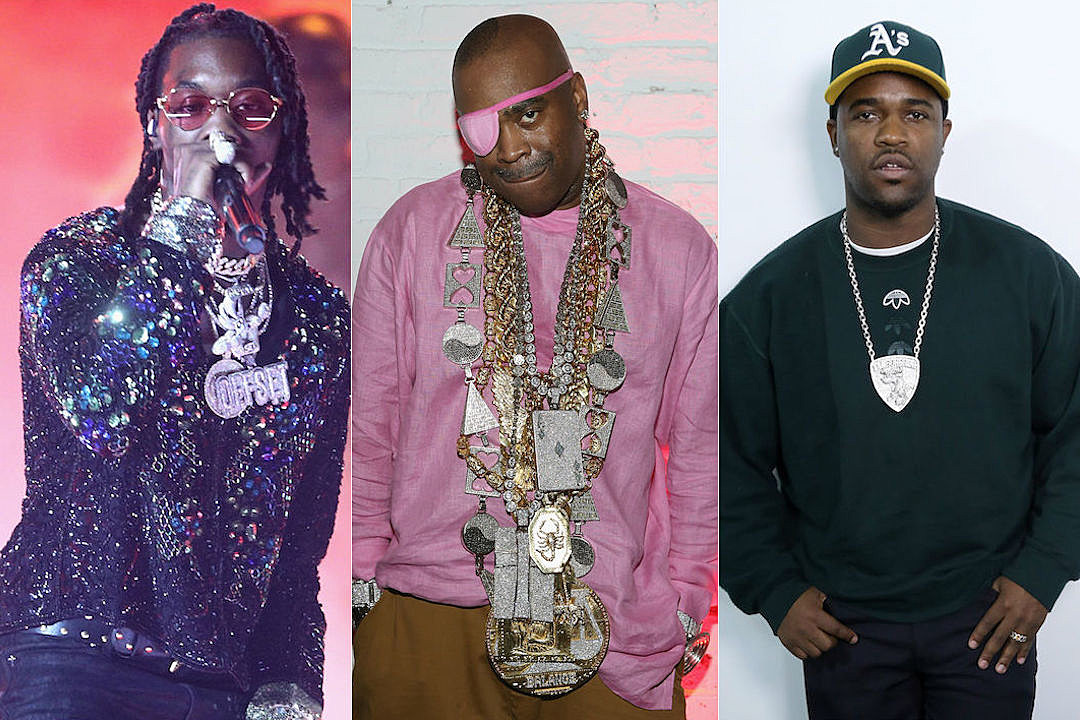
Before platinum and ‘bling,’ the dookie rope, a thick, woven gold chain, was hip-hop’s defining status symbol. Worn by prominent artists in the culture’s early decades, the chains signaled arrival and respect. Less flashy than today’s diamonds, they were nonetheless powerful markers of success in rap’s formative fashion era.
Key Facts
- Type: Jewelry / fashion
- Item: Thick woven gold rope chain
- Era: Hip-hop’s early decades (pre-platinum)
- Meaning: Symbol of arrival and respect
- Foundational element: Fashion
Dookie Rope Chains: The ‘80s Hip-Hop Gold Icon
Before platinum, before diamonds, before “bling bling” entered the dictionary, hip-hop had a different symbol of arrival. The dookie rope — a thick, braided gold chain worn heavy around the neck — was the definitive status marker of the genre’s formative decade. It appeared in the videos, on the stages, and around the necks of the artists who built the culture from the ground up. To wear one was to announce that you had made it.
Where Does the Name “Dookie Rope” Come From?
The name has two interlocking explanations, and both probably contributed to it sticking. “Dookie” is a slang term for feces, and the chain’s thick, knotted, coiling braid — piled link over link, heavy and irregular — gave the style a visual resemblance to its nickname that made the label both irreverent and instantly recognizable. [1] “Rope” referred to the elongated braided structure itself, which resembled a length of twisted cable more than a traditional jewelry chain. The full phrase — dookie rope, or sometimes dookie roll — captured both the construction and the irreverence in two words. [2] In a culture that had already renamed sneakers, styles, and slang on its own terms, naming its signature jewelry after something crude and physical was entirely consistent.
What Did They Actually Look Like?
A dookie rope was a large gold chain built from interlocking braided links that created a rope-like texture across the full length of the piece. Most were made from 10-karat or 14-karat yellow gold — the warm, saturated yellow-gold tone that became the era’s defining visual signature. [3] The majority were hollow rather than solid — a practical decision that kept costs manageable and weight down while still producing an imposing visual. Solid-metal versions existed for those who could afford them and wanted the heft to match the look.
Width ranged from roughly 10 to 30 millimeters, and length varied significantly by taste. Some chains fell to the center of the torso; shorter versions hung below the collarbone; a middle-length option split the difference. As the trend spread, the definition expanded to include other oversized link styles — the Curb, Cuban, and Figaro link chains all grew into popular formats under the same cultural umbrella, each offering a different texture and weight profile while carrying the same statement. [2]
The Diamond District and the Borrowing Economy
The dookie rope era was built, in large part, on one stretch of Manhattan: 47th Street between Fifth and Sixth Avenues, the Diamond District. This was where the chains were sourced, priced, and sized, and where relationships between jewelers and hip-hop artists formed that would define the industry’s luxury aesthetic for decades. [4] A real dookie rope during the height of the style could cost anywhere between ten and twenty thousand dollars — serious money in the ’80s and ’90s, and far beyond what most artists could absorb as a routine purchase.
That gap between the chain’s cultural necessity and its actual cost gave rise to one of the era’s most practical arrangements: jewelry stores would loan chains to artists for appearances, videos, and events in exchange for exposure. Too Short, who still possesses his original piece from 1988, was one artist who navigated this world successfully. [5] Even Slick Rick, one of the most visually flamboyant chain-wearers of the era, borrowed the chain he wore in his “Teenage Love” video — specifically from his friend Big Daddy Kane. The loan arrangement was mutually beneficial: the artist got the image, the jeweler got a world-famous advertisement that money couldn’t otherwise buy.
The Men Who Defined the Look
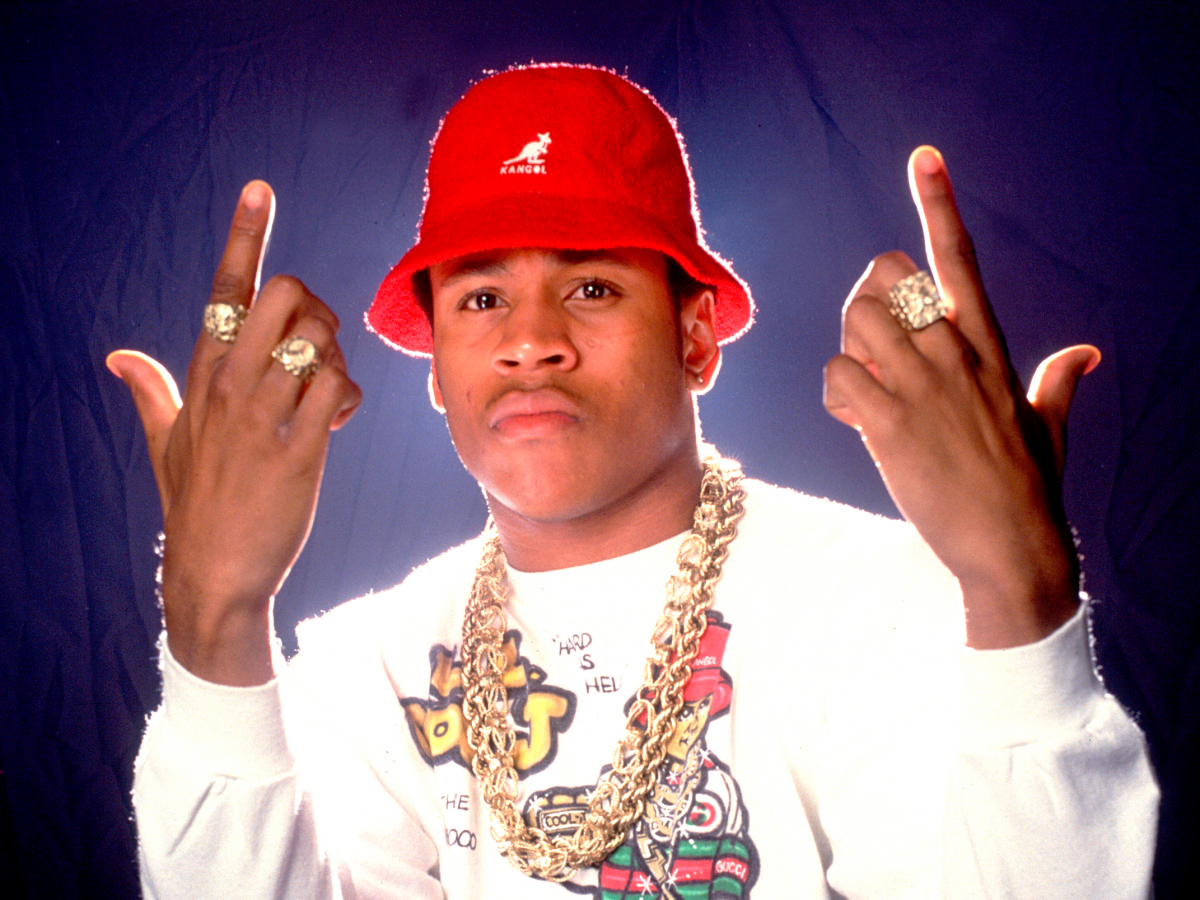
By the mid-1980s, dookie ropes had become standard equipment for hip-hop’s most visible figures. DJ Jazzy Jeff and the Fresh Prince, Biz Markie, and Jam Master Jay all wore them throughout videos and concerts, establishing the chain as an expected element of the genre’s visual language. LL Cool J built much of his early image around the combination of a dookie rope, a Kangol hat, and a bare chest — one of the most replicated looks of the era. [1] Kool G Rap, Big Daddy Kane, and the entire Juice Crew operated visually within this framework, making the chain part of a collective identity as much as a personal one.
Rakim and Slick Rick, however, occupied a category of their own. Rakim’s most iconic chain moment came in the “Microphone Fiend” video, where he wore a dookie rope with a Mercedes-Benz emblem pendant — a combination that inspired countless imitations and established the idea of the custom medallion as an extension of the artist’s identity. [4] Slick Rick operated on an entirely different scale. Known for wearing up to thirty-two chains simultaneously, combined with gold rings, a crown, and his Libra zodiac plate, Rick turned the chain into theater. He also pioneered what became known as “truck jewelry” — oversized, structurally heavy pieces that functioned more like wearable sculpture than traditional accessories, a tradition that runs forward to Ghostface Killah, Busta Rhymes, and beyond.
Women Who Wore the Chain
The dookie rope era was not exclusive to men. Salt-N-Pepa made chunky gold chains an essential element of their aesthetic, pairing them with spandex and oversized leather jackets in a combination that was both a fashion statement and a declaration of parity — women in hip-hop would accessorize on their own terms, not as softer versions of male artists. [6] Queen Latifah and MC Lyte both wore rope chains as part of their visual identities in the late ’80s and early ’90s, with Latifah pairing hers with Afrocentric references and Lyte using the chain as part of a harder, street-credibility-forward aesthetic. [6] Roxanne Shanté also operated within this tradition. The chain, on women, carried the same message it did on men: this person belongs here, and they have the receipts to prove it.
The Chain as Cultural Currency
Perhaps the most revealing aspect of the dookie rope’s cultural function was what happened when chains were given rather than bought. When Jam Master Jay joined Run-DMC, he presented Run and DMC with their own dookie ropes — a gesture that functioned as initiation, authentication, and welcome all at once. The chain wasn’t just jewelry; it was a credential, a physical transfer of status from one member of the culture to another. [2]
That tradition carried forward. When Dame Dash presented Kanye West with a Roc-A-Fella chain, he was drawing from the same symbolic vocabulary — the medallion as formal recognition, the moment of receiving it as the moment you officially belong. The specific style of chain had evolved by then, but the ritual was identical. [2] Gold jewelry in hip-hop has always been more transactional than it appears, carrying meaning that the price tag alone cannot explain.
Dapper Dan and the Harlem Connection
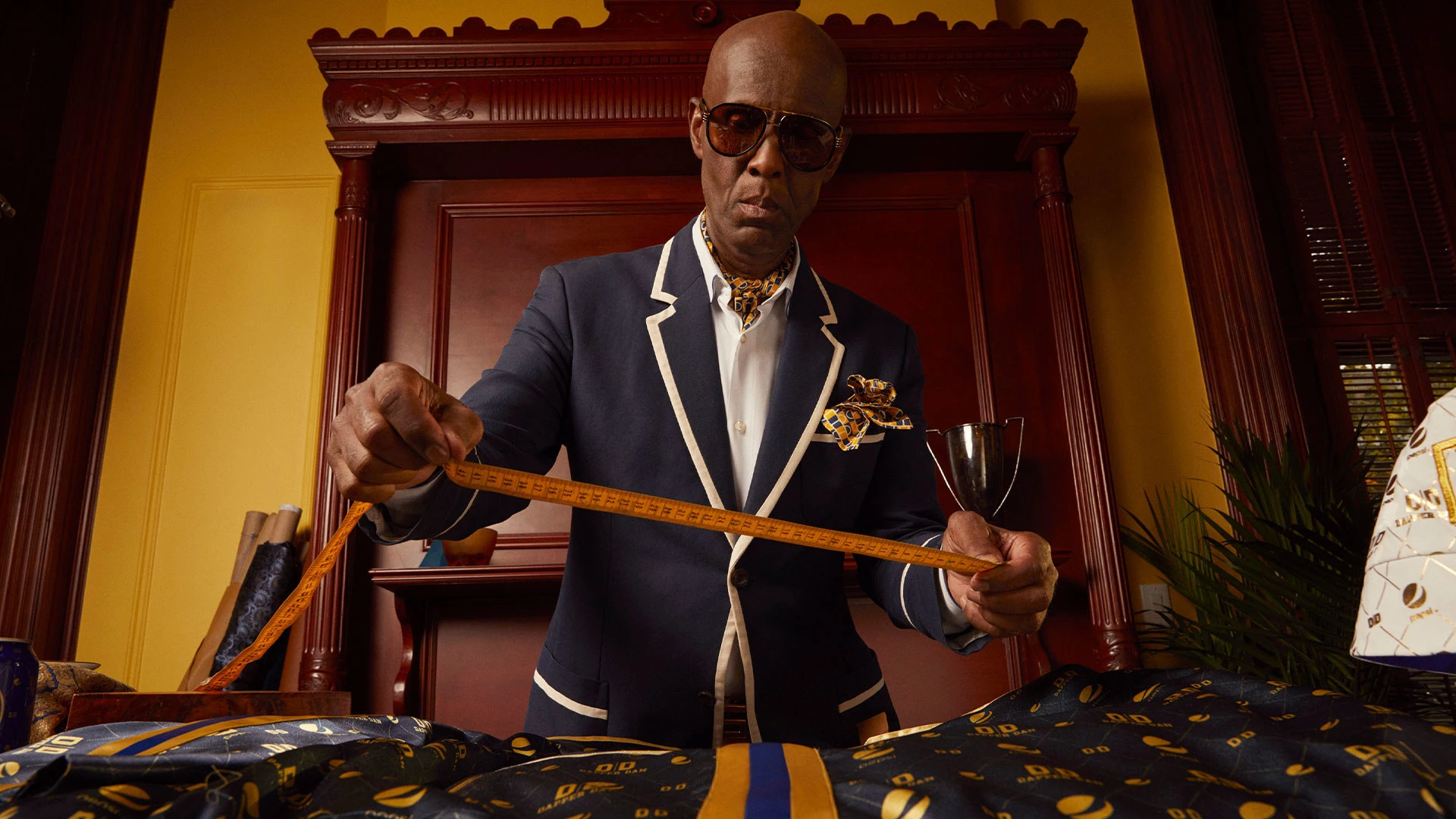
Any account of hip-hop jewelry in the ’80s that omits Dapper Dan is incomplete. His boutique on 125th Street in Harlem — open 24 hours at its peak — was the primary destination where the culture’s most visible figures assembled their looks, often combining dookie ropes and other jewelry with his signature logo-remixed garments. [7] Artists like LL Cool J, Salt-N-Pepa, Eric B. & Rakim, and Big Daddy Kane were regular clients, and the complete aesthetic — the chain around the neck, the custom leather jacket or tracksuit, the overall visual statement — was often assembled there. The Diamond District supplied the raw material; Dapper Dan supplied the context that made it hip-hop.
The ’90s Decline: How “Bling Bling” Ended the Gold Era
The dookie rope faded gradually through the early-to-mid ’90s as the industry shifted west, the sonic palette hardened, and the visual culture that came with it moved away from New York’s gold-chain aesthetic. By the mid-’90s, platinum had replaced gold as the prestige metal of choice, and the emphasis shifted from the chain’s construction to the diamonds encrusted across it. The rope structure itself became secondary to the stones.
The precise cultural moment that closed the dookie rope era arrived in 1999 with B.G.’s “Bling Bling,” a Cash Money Records single featuring Lil Wayne, Juvenile, Turk, and the Big Tymers. The song was so specific to a new aesthetic — diamond-encrusted platinum, watches, grills, ice in every direction — that it effectively named and codified the era that had already been replacing the gold-rope era for several years. [8] “Bling bling” eventually entered the Oxford English Dictionary, cementing its status as a genuine cultural shift rather than a passing phrase. The dookie rope and the sensibility it represented — heavy yellow gold, braided construction, a specific New York aesthetic — belonged to a different chapter. [7]
The Revival: From Nostalgia to Collectible
The dookie rope never fully disappeared; it went dormant. Beginning in the early 2010s, a wave of artists with deep roots in vintage hip-hop aesthetics brought the gold rope back as a deliberate reference point. A$AP Rocky, whose entire visual identity was built on reclaiming Bronx and Harlem ’80s-and-’90s style, was particularly associated with this retrieval. [9] Action Bronson, whose work consistently referenced the sounds and looks of ’90s New York, wore the style as part of a coherent nostalgic sensibility. The chains that reappeared in this period were often genuine vintage pieces sourced from the Diamond District or vintage jewelry markets, treated as collectibles rather than commodity fashion. [10]
The collector market for authentic ’80s dookie ropes has grown significantly since. Vintage yellow-gold rope chains from the era — particularly those with documented provenance or associated with specific artists — trade at premiums on specialized jewelry platforms and auction sites. The chain that once functioned as a status marker within the culture now also functions as a historical artifact of it.
How to Spot an Authentic Dookie Rope
As the chain has been reproduced at every price point, from costume jewelry to high-end recreations, the differences between an authentic piece and an imitation are worth knowing. Hallmarking: genuine gold chains should be stamped with a karat mark (10K, 14K, or 18K) and often a maker’s mark; examine any clasp or small section of the chain for these engravings. Weight: even hollow authentic gold chains carry a specific weight that plated base-metal chains do not replicate; a genuine 14K hollow rope of any significant width will feel substantial in the hand. Color: authentic yellow gold from the era has a distinctly warm, saturated tone; plated chains typically show brighter, thinner color that fades or discolors at wear points. Construction: on a real rope chain, the individual braided links interlock uniformly under a loupe or close inspection; cheaper imitations often show irregular spacing, thinner wire, or incomplete links. The acid test: if authenticity is in genuine question, a jeweler can perform a simple acid test on an inconspicuous section of the chain to confirm gold content. [3]
The Legacy
The dookie rope’s influence extends well past the ’80s. It established yellow gold as hip-hop’s foundational jewelry metal, set the aesthetic template for every chain-as-status-symbol that followed, and embedded the idea that jewelry in this culture is not decoration but declaration. From the Bronx park jams where the look first formed to the museum retrospectives and vintage markets where those original pieces now live, the dookie rope traces an unbroken line through hip-hop’s entire visual history. The chains changed. The impulse behind them never did.
Sources
[1] How the Dookie Chain Defined Hip-Hop — Culted
[2] A Pictorial History of the Dookie Chain — Found Item Clothing
[3] The History of Gold Chains in Hip-Hop — Robinson’s Jewelers
[4] Hip-Hop Jewelry: A History — Highsnobiety
[5] Fashion Fads Through American History — Google Books
[6] 50 Years of Women in Hip-Hop & Their Natural Diamond Bling — Natural Diamonds
[7] The Bling Era of Hip-Hop — The New York Times
[8] The Complete History of “Bling Bling” — The FADER
[9] The A$AP Rocky Generation: How Flacko Influenced Modern Hip-Hop — HotNewHipHop
[10] The Rise of Hip Hop Jewelry: A Journey Through the Bling — TraxNYC