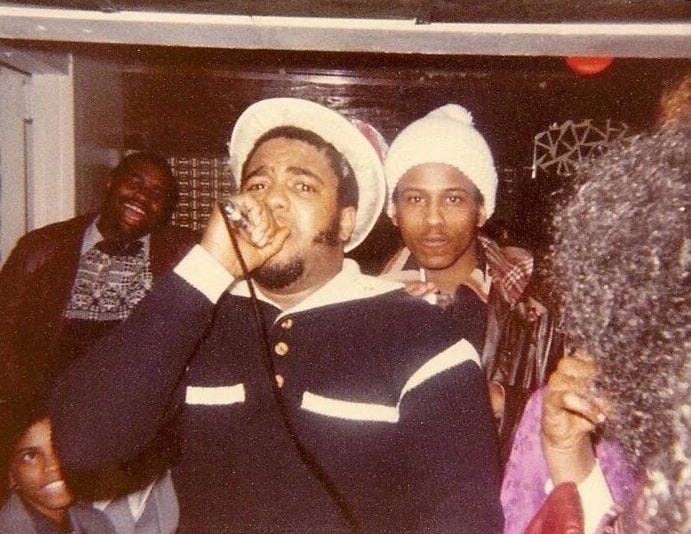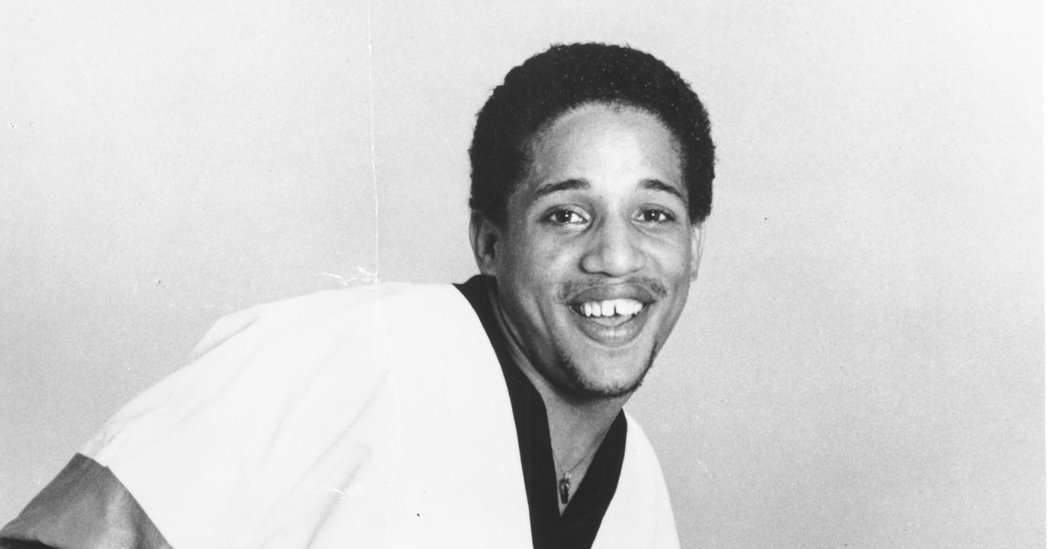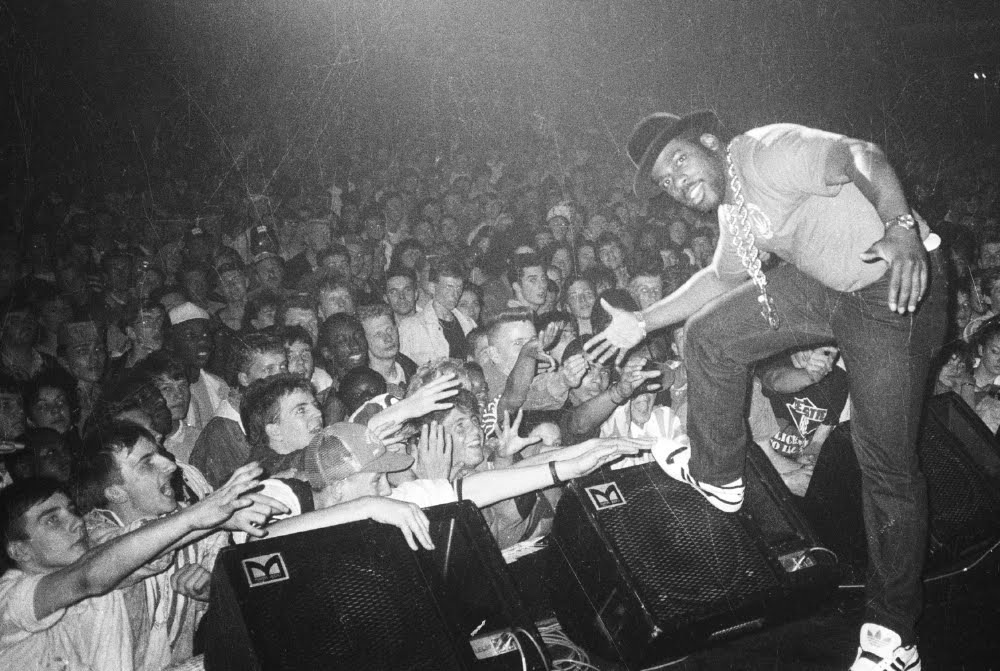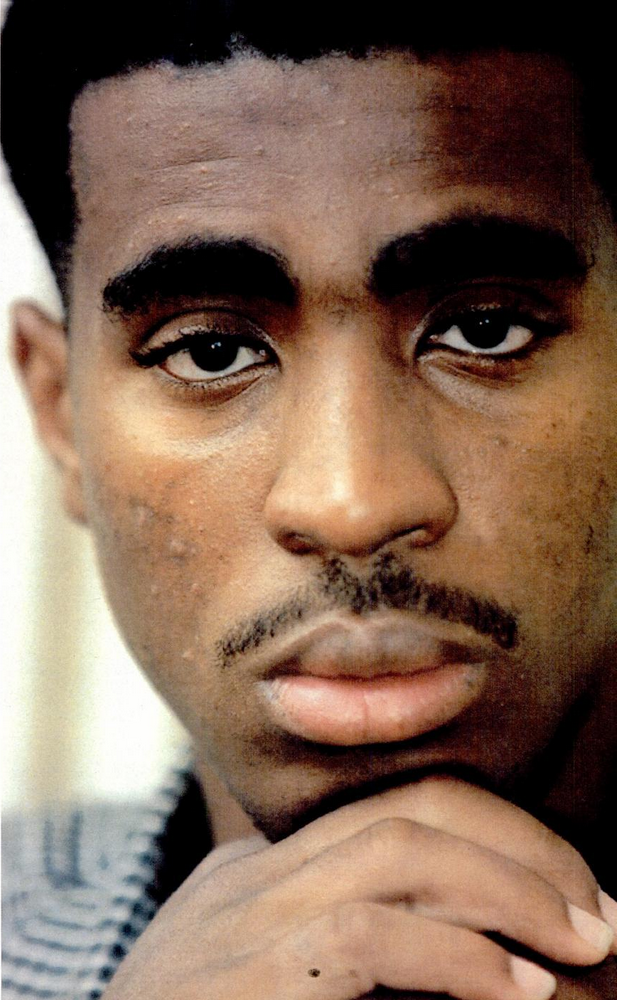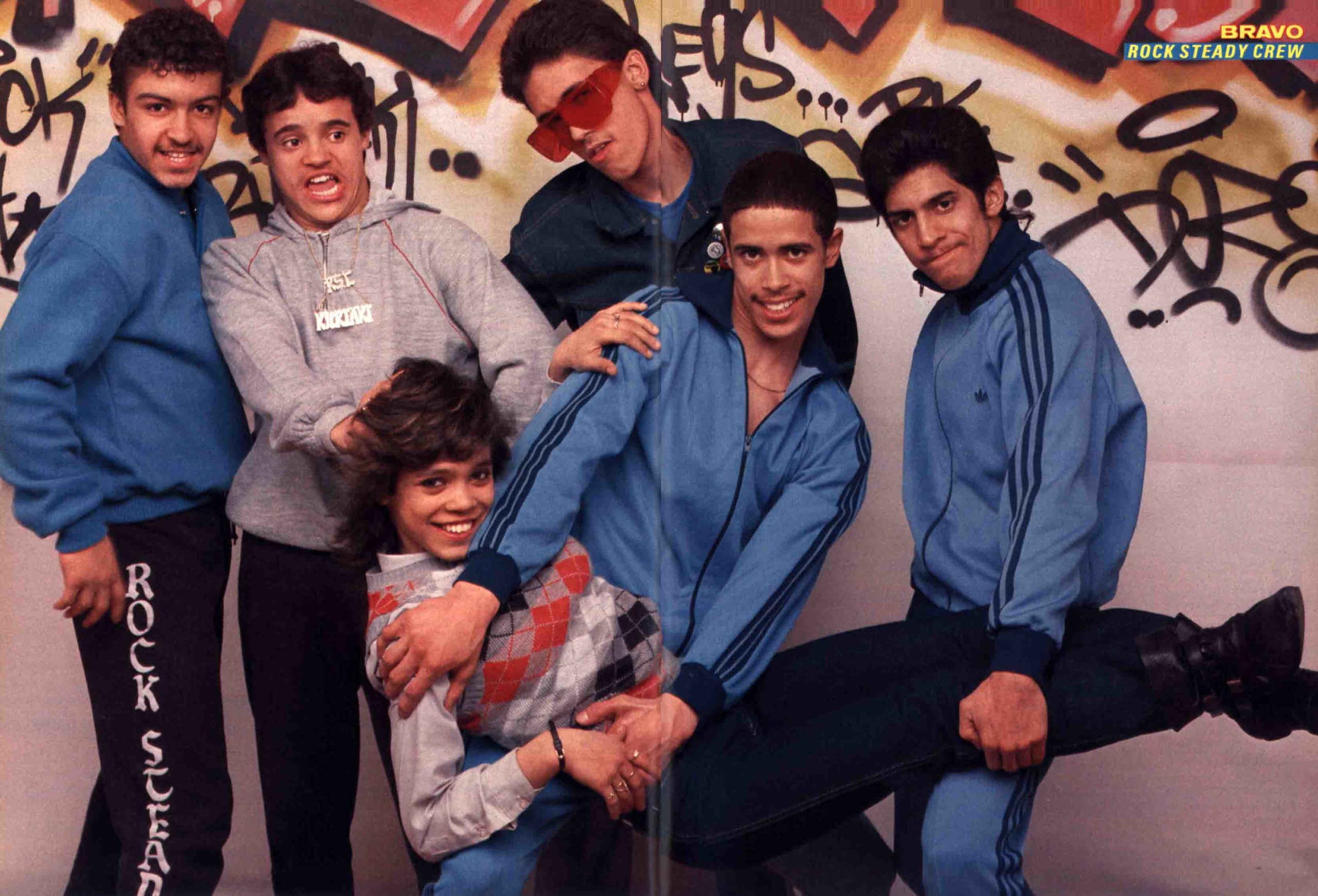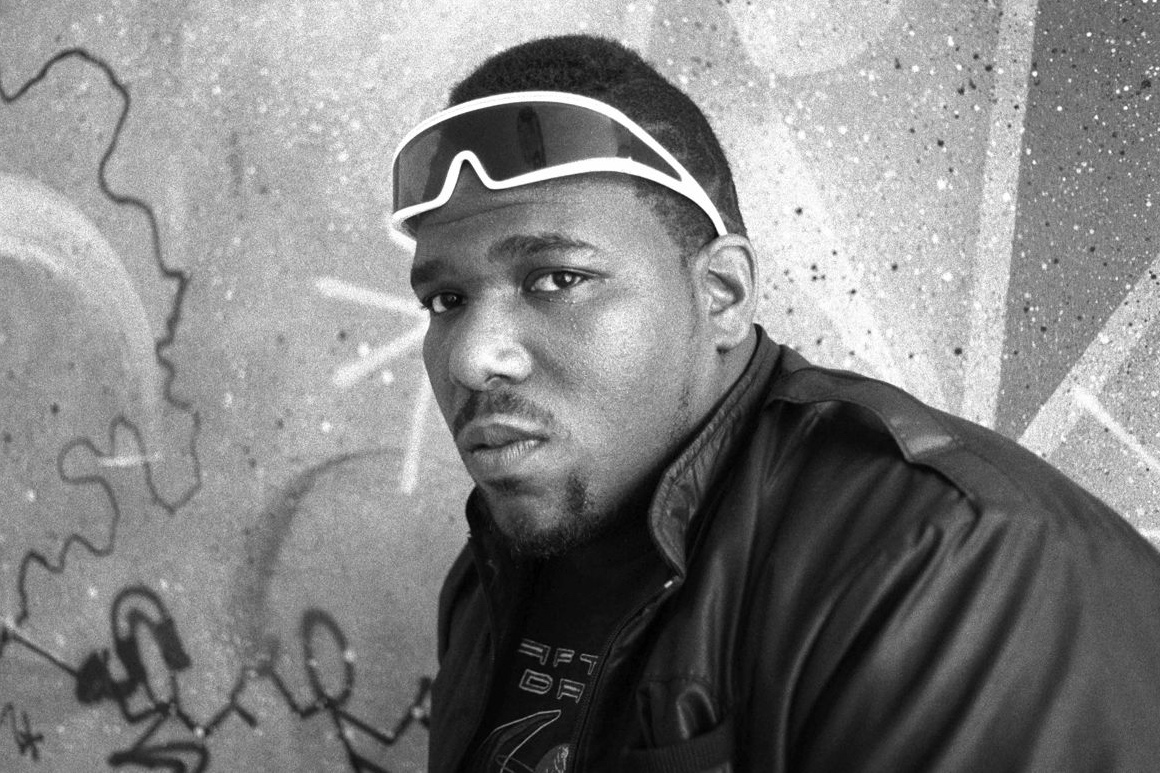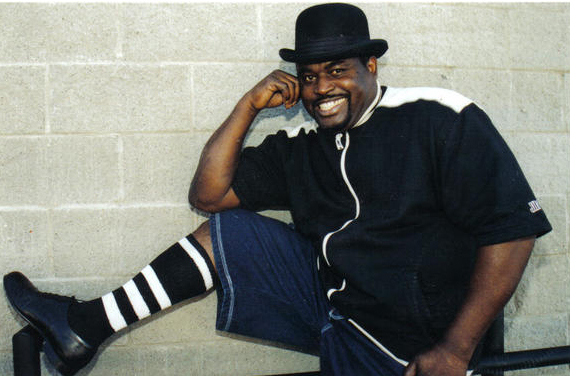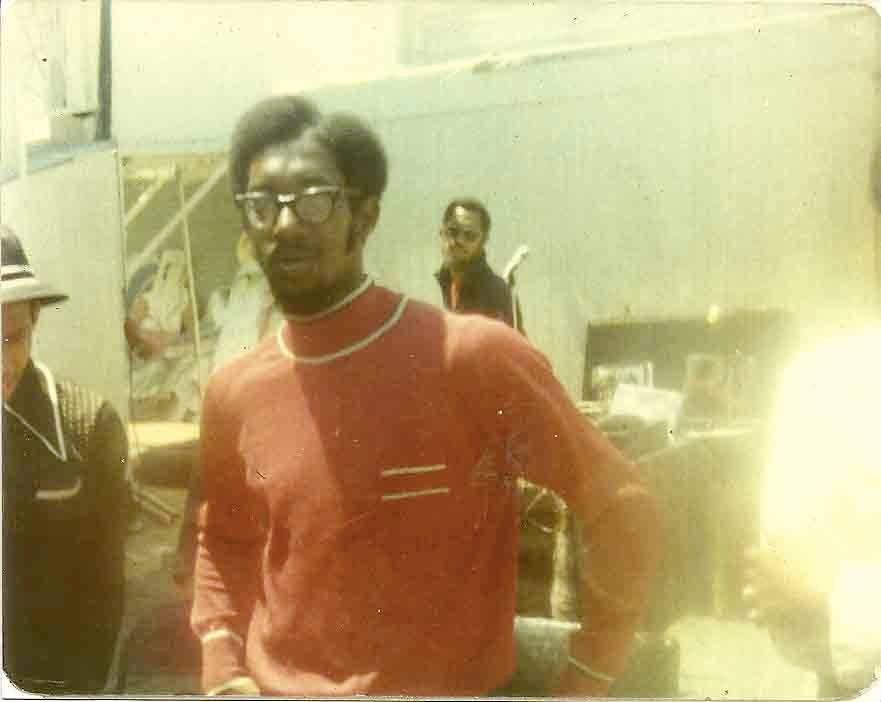

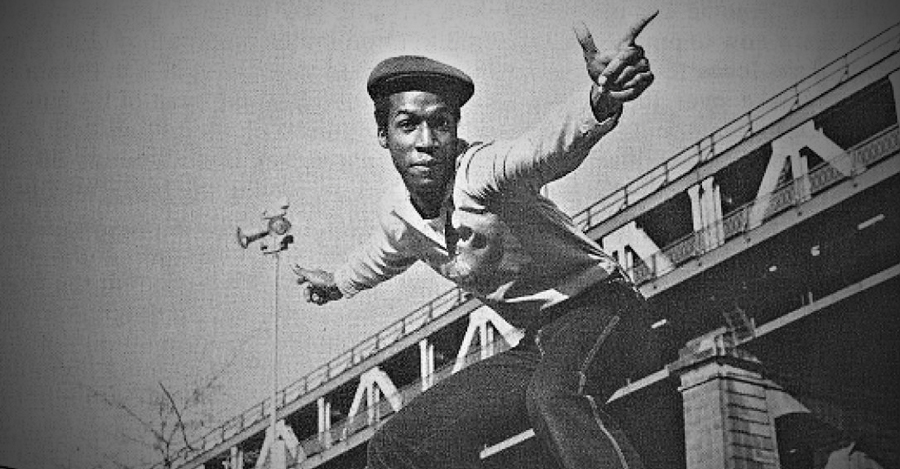
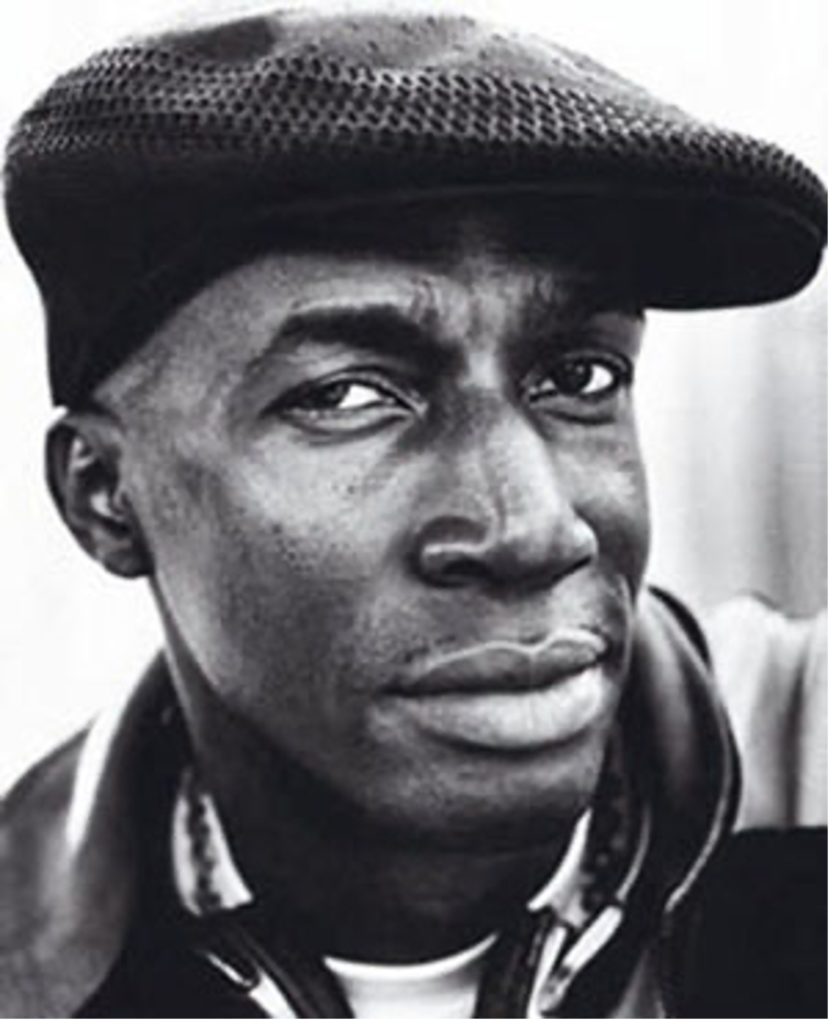
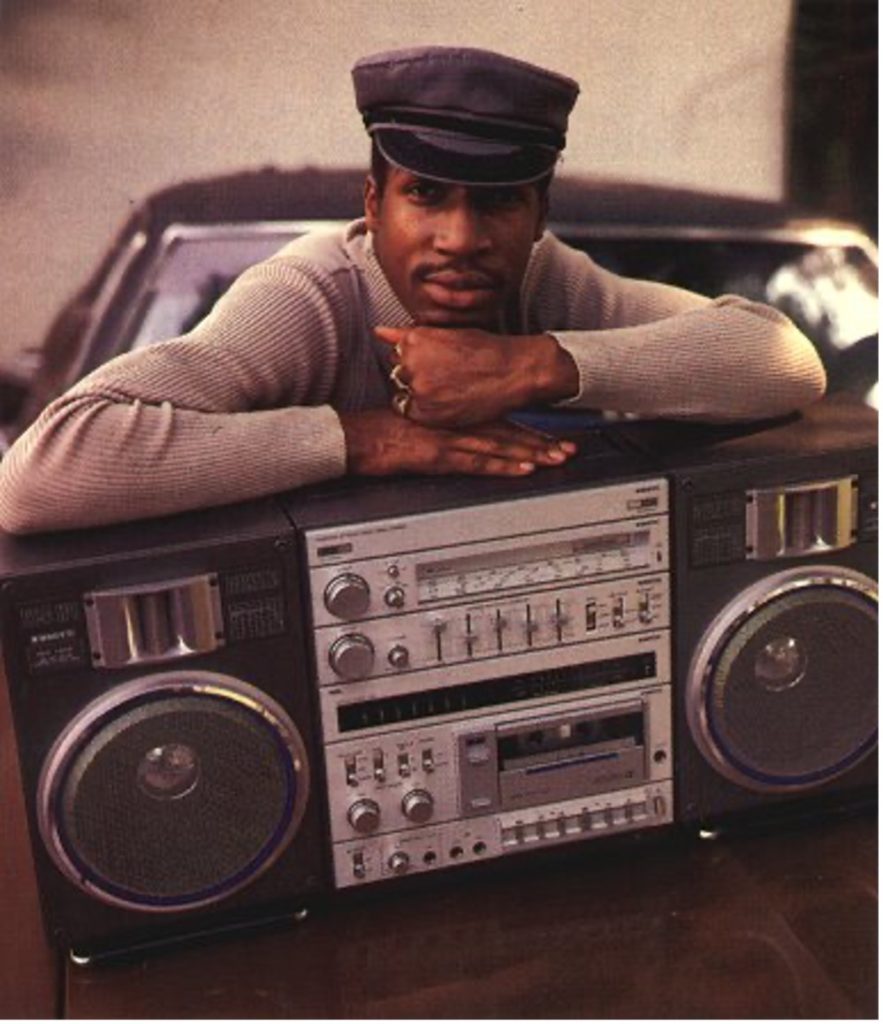
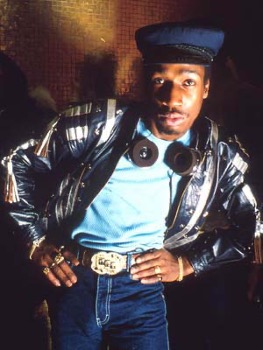
Grandmaster Flash, born Joseph Saddler on January 1, 1958 in Barbados and raised in the South Bronx, is a foundational hip-hop DJ and turntable innovator. He developed pioneering techniques like the quick mix and backspin, and with the Furious Five recorded the genre-defining ‘The Message,’ shaping the art of DJing forever.
Key Facts
- Real name: Joseph Saddler
- Born: Jan 1, 1958 — Bridgetown, Barbados
- Role: DJ
- Known for: Quick mix, backspin; ‘The Message’ (with Furious Five)
- Foundational element: DJing
Grandmaster Flash (Joseph Saddler): The Man Who Turned Two Turntables Into an Instrument
Every DJ working today — in hip-hop, in electronic music, in any genre that treats the turntable as a creative tool rather than a playback device — is working in a tradition that Joseph Saddler built. Grandmaster Flash did not simply play records. He dismantled the concept of what a record could be, identified the moments inside music that moved people most, and figured out how to loop those moments indefinitely, blend them seamlessly, and manipulate them in real time to create something that had never existed before. He did this in a burned-out South Bronx neighborhood in the early 1970s, with secondhand equipment, and without anyone in the music industry paying attention. By the time they did, he had already changed everything.
The South Bronx That Shaped Him
Joseph Saddler was born on January 1, 1958 in Bridgetown, Barbados, and moved to the South Bronx with his family in the early 1960s. [1] The South Bronx he grew up in was one of the most systematically disinvested urban neighborhoods in America. Robert Moses’ Cross Bronx Expressway had cut through the heart of the borough in the 1950s, displacing hundreds of thousands of residents and accelerating the economic collapse of the neighborhoods it sliced through. Landlords torched buildings for insurance money. City services withdrew. By the mid-1970s, the area had become nationally synonymous with urban decay. It was also, against all of that, the place where hip-hop was invented — because when institutions abandon a community, the community builds its own culture. [2]
Flash grew up in a household defined by music and punishment simultaneously. His father was an avid record collector — a man with an extraordinary ear who surrounded himself with James Brown, Frank Sinatra, Aretha Franklin, and Led Zeppelin — but who responded to his son playing those records with physical abuse. [1] Flash played them anyway, absorbing every record he could reach, developing the relationship with vinyl that would define his life. His obsession with electronics led him to Samuel Gompers Vocational High School, where he developed the technical understanding of circuits and sound systems he would later use to design his own DJ equipment. [3]
Learning the Language of Records
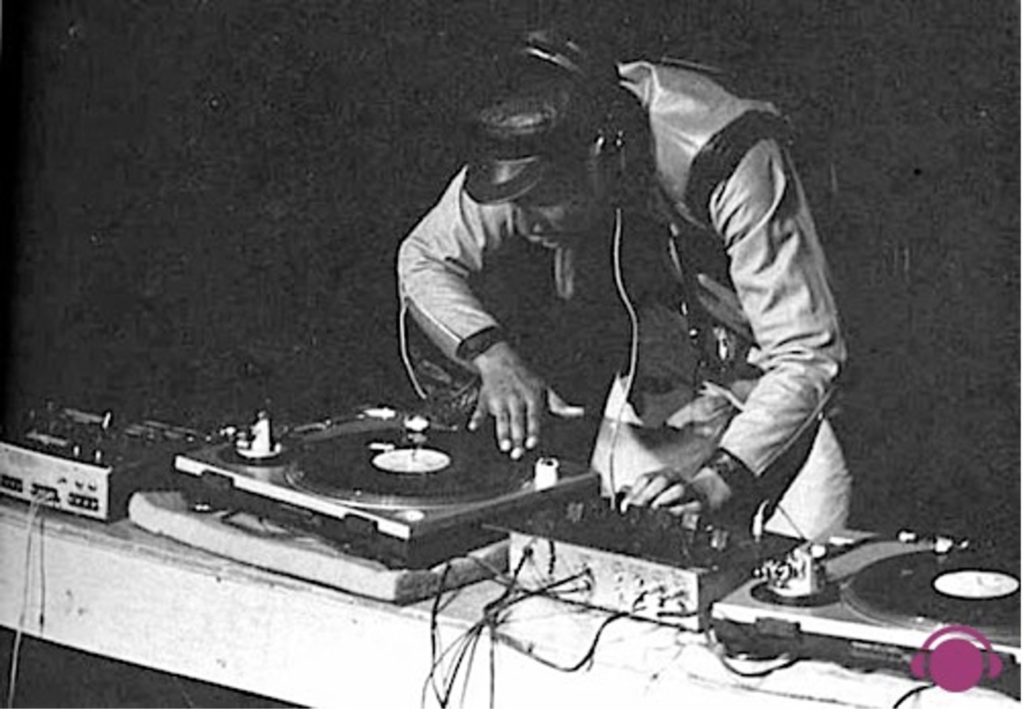
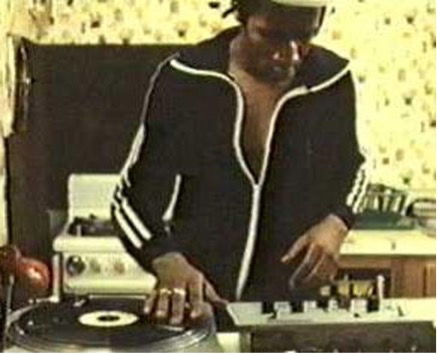
As a teenager in the early 1970s, Flash studied the DJs working the parks and community centers of the South Bronx — particularly DJ Pete Jones, DJ Kool Herc, and Grandmaster Flowers. [1] Kool Herc had already made the foundational discovery: that the instrumental “break” sections of funk and soul records — the moments when the drums stripped down and the crowd went wild — were the most important part, and that you could extend them indefinitely by switching between two copies of the same record. Flash absorbed this insight and immediately began thinking about how to perfect it.
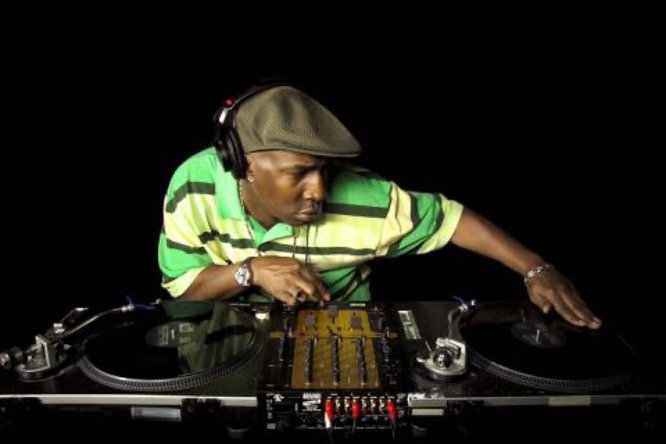
His specific contribution was the headphone. He realized that to switch between records at exactly the right moment, you needed to hear what was coming on the second turntable before releasing it to the crowd. By listening through one ear while the other heard the room, he could cue up the next record with surgical precision and cut between the two at exactly the right beat. This discovery — the pre-cue monitoring technique that every DJ in the world still uses — was his first original contribution to the art form. [3] From there, he began designing his own equipment, eventually building a mixer that allowed him to do things off-the-shelf gear in the ’70s couldn’t accommodate.
The Technical Revolution: What Flash Actually Invented
The range of techniques Grandmaster Flash developed and codified is the foundation of DJ culture. Break-beat deejaying — the practice of using two copies of the same record to extend the drum break indefinitely — was refined by Flash into a reproducible system that other DJs could learn and apply. He called the underlying principles Quick Mix Theory: understanding which parts of records were worth isolating, how to identify break sections by sight (he marked them with crayon so he could locate them instantly in the dark), and how to move between them without dropping the beat. [1]
The Backspin Technique and Beat Juggling extended this further, using reverse spins and synchronized alternation between the two decks to create rhythmic variations out of the source material. Punch Phrasing (also called Clock Theory) involved isolating short segments — typically horn hits or stabs — and punching them rhythmically over a sustained beat using the crossfader, turning a single moment from a record into a percussive element. [3] Flash also developed phasing, varying the speed of one record against the other to create pitch variation and rhythmic tension. And while Grand Wizzard Theodore is credited with inventing scratching itself, Flash developed and codified cutting — the precise, on-beat movement between two tracks that evolved into the full vocabulary of scratch techniques that followed. [1]
Taken together, these techniques redefined the turntable from a device that played music into an instrument that made it. Flash was the first DJ ever to lay hands on a record to manipulate it in real time, and the first to develop a systematic approach to doing so reproducibly. [3]
Forming the Furious Five
Flash began hosting MCs at his block parties and park jams in the early 1970s — among the first DJs to understand that having rappers over the breaks extended what he could do with a crowd. Kurtis Blow and Lovebug Starski were early collaborators. [1] By the late ’70s he had assembled the group that would become Grandmaster Flash and the Furious Five: Melle Mel (Melvin Glover), Cowboy (Robert Keith Wiggins), Kid Creole (Nathaniel Glover, Melle Mel’s brother), Rahiem (Guy Todd Williams), and Scorpio (Eddie Morris). The group released their debut single, “Superrappin’,” on Enjoy Records in 1979, and signed with Sugar Hill Records shortly after — the Englewood, New Jersey label run by Sylvia Robinson that was then the most commercially significant rap imprint in the country. [4]
Adventures on the Wheels of Steel: The Record That Changed Everything
In 1981, Flash released “The Adventures of Grandmaster Flash on the Wheels of Steel,” a seven-minute, thirteen-second single that stands as one of the most consequential recordings in the history of popular music. [5] It was performed entirely live in the studio with no post-editing or tape splicing — Flash on three turntables, cutting and blending in real time — and it documented, for the first time on record, what turntablism as an art form actually sounded like. The track sampled Chic’s “Good Times,” Queen’s “Another One Bites the Dust,” Blondie’s “Rapture,” Spoonie Gee’s “Monster Jam,” and The Sugarhill Gang’s “8th Wonder,” woven together into a continuous mix that made the whole greater than the sum of its parts. [5]
The recording’s significance was immediately understood by those paying attention. It was the first DJ record to document scratching on wax, the first to capture the live block-party DJ experience, and the foundational document of what would eventually be called turntablism, sampling culture, and the DJ mix. In 1992, The Wire included it in their list of “The 100 Most Important Records Ever Made,” describing it as “the entry point into a new, incredibly creative period of black music mixes.” [5] Dr. Dre has cited it as a direct influence. Every DJ who came after Flash, working in any genre, was responding in some way to what this record made audible.
The Message: Rap as Social Journalism
While “Adventures on the Wheels of Steel” established what hip-hop could do technically, “The Message” (1982) established what it could say. Led by Melle Mel’s unflinching verse — a first-person account of the grinding poverty, psychological pressure, and systemic violence of life in the South Bronx — the song arrived as a rebuke to the disco-era idea that Black music’s job was to make people dance and feel good. [6] Its central verse — “it’s like a jungle sometimes, it makes me wonder how I keep from going under” — described a reality that mainstream American media wasn’t covering and mainstream American music wasn’t addressing. The album went platinum on Sugar Hill Records and gave hip-hop its first proof of concept as a vehicle for documentary truth-telling. Barack Obama, decades later, described it as “journalism set to a beat.” [7]
The Breakup: Sugar Hill, Cocaine, and the Bitter Irony of White Lines
The success of “The Message” and the subsequent anti-drug anthem “White Lines (Don’t Don’t Do It)” (1983) came at a personal cost Flash has been candid about. While Melle Mel was recording a song warning against cocaine, Flash had become a freebasing cocaine addict. In his autobiography, he described hearing “White Lines” on the radio while on his way to buy crack — the song Melle Mel recorded without him addressing the very addiction Flash was living. The irony was not lost on him; he has cited it as a turning point in confronting what his life had become. [1]
The group fractured simultaneously from legal and personal pressures. Flash sued Sugar Hill Records for $5 million in unpaid royalties in 1983, triggering a bitter split. When the dust settled, Melle Mel retained the right to use the “Furious Five” name and continued recording as Grandmaster Melle Mel and the Furious Five — while Flash, who had given the group its name and built its sound from the turntables up, was forced to rebuild his solo career from outside the entity he had created. [4] The group reunited briefly in the late 1980s for an album and tour, but the reception was lukewarm. The world had moved on, and Flash spent much of the late ’80s and ’90s rebuilding both personally and professionally.
The Rock and Roll Hall of Fame: Hip-Hop’s First Induction
In 2007, Grandmaster Flash and the Furious Five became the first hip-hop act ever inducted into the Rock and Roll Hall of Fame — a milestone that carried enormous symbolic weight for a genre that had spent thirty years being condescended to or ignored by the institutions that gatekept American musical prestige. [3] The induction was presented by Jay-Z, who framed the moment explicitly as a recognition not just of Flash and his bandmates but of the entire culture they had helped build. The ceremony addressed the long-standing tension about whether hip-hop “belonged” in the Hall at all, and the answer was the standing ovation the group received when they took the stage.
The induction also carried specific vindication for the group’s technical legacy. The Rock Hall’s citation credited Flash directly with inventing the DJ techniques that became the foundation of hip-hop production and the basis for how DJs have operated in every genre since. The man who built his first mixer from scratch in the South Bronx was now in the same institution as the artists whose records he had cut and blended decades earlier.
The Polar Music Prize and Continued Relevance
In 2019, Grandmaster Flash received the Polar Music Prize — awarded by the Royal Swedish Academy of Music and widely regarded as one of the most prestigious honors in global music, equivalent in stature to a Nobel Prize for the art form. He shared the award that year with classical violinist Anne-Sophie Mutter; each laureate received prize money of approximately $110,000. [8] The pairing — a hip-hop DJ pioneer and a classical concert violinist — said something deliberately pointed about how seriously the award’s organizers had decided to treat Flash’s contributions to musical history.
Flash has remained an active touring performer and cultural ambassador for decades past what most artists manage. He continues to headline festivals and DJ events globally, maintaining the same relationship with live performance that defined his career from the Bronx park jams forward. [9] His other honors include the Lifetime Achievement Award from the RIAA, the VH1 Hip Hop Honors, and the BET Icon Award for his contributions to hip-hop as a DJ. [3]
What He Left Behind
The full scope of what Grandmaster Flash invented is visible in almost everything that followed. The headphone pre-cue technique he developed is standard on every DJ mixer ever manufactured. The Quick Mix Theory and Beat Juggling he codified are in the curriculum of every DJ school that exists. The concept of the turntable as a musical instrument — not a playback device but a creative tool capable of generating new music from existing recordings — is the conceptual foundation of sampling, remixing, mash-ups, and live electronic performance. And “The Adventures of Grandmaster Flash on the Wheels of Steel,” performed live in a studio on three decks with no overdubs, remains one of the most technically accomplished solo performances ever captured on record in any genre.
He built all of this in a neighborhood that American infrastructure policy had abandoned, with equipment he modified himself, before the music industry decided the culture was worth monetizing. The record that made the industry finally pay attention — “The Message” — was simultaneously a portrait of the conditions that produced Flash and a demonstration of what hip-hop could do when it decided to document rather than escape them. That combination of technical genius and social truth-telling is the inheritance he left the entire genre.
Sources
[1] Grandmaster Flash — Wikipedia
[2] Grandmaster Flash and the Furious Five — TeachRock
[3] Grandmaster Flash and the Furious Five — Rock & Roll Hall of Fame
[4] Grandmaster Flash and the Furious Five — Wikipedia
[5] The Adventures of Grandmaster Flash on the Wheels of Steel — Wikipedia
[6] Polar Music Prize 2019 Awarded to Grandmaster Flash and Anne-Sophie Mutter — Grammy.com
[7] Barack Obama on American Music — Rolling Stone
[8] Grandmaster Flash Named Polar Music Prize Laureate, Awarded $100,000 — Variety
[9] Grandmaster Flash Tour Dates 2026–2027 — Bandsintown
Discography
| Super Rappin Recorded under Enjoy Records Released: 1976 Last RIAA certification: Singles: Super Rappin[20] |
| The Message Recorded under Sugar Hill Records Released: 1982 Last RIAA certification: Platinum Singles: “The Message“, “It’s Nasty” |
| Greatest Messages under Sugar Hill Records Released: 1984 Last RIAA certification: Singles: |
| They Said It Couldn’t Be Done under Elektra Records Released: April 26, 1985 Chart Positions: #35 Top R&B/Hip Hop Last RIAA certification: Gold Singles: “Girls Love The Way He Spins”, “Sign Of The Times”, “Alternate Groove”, “Larry’s Dance Theme” |
| The Source under Elektra Records Released: 1986 Chart positions: #145 US, #27 Top R&B/Hip-Hop Albums, Last RIAA certification: Gold Singles: “Style (Peter Gunn Theme)”, “Behind Closed Doors” |
| Ba-Dop-Boom-Bang under Elektra Records Released: 1987 Chart positions: #197 US, #43 Top R&B/Hip-Hop Albums Last RIAA certification: Gold Singles: “U Know What Time It Is”, “All Wrapped Up” |
| On the Strength under Elektra Records Released: 1988 Chart positions: #189 US Last RIAA certification: Gold Singles: “Gold”, “Magic Carpet Ride” |
| Salsoul Jam 2000 under Salsoul Jam Records Released: 1997 Chart positions: Did Not Chart Last RIAA certification: Singles: “Spring Rain” |
| Flash Is Back under Marlboro Music Released: 1998 Chart Positions: Did Not Chart Last RIAA certification: Singles: |
| The Official Adventures of Grandmaster Flash under Strut Records Released: January 29, 2002 Chart positions: Did Not Chart Last RIAA certification: Singles: |
| Essential Mix: Classic Edition under Rhino/WEA Records Released: May 7, 2002 Chart positions: Did Not Chart Last RIAA certification: Singles: |
| The Bridge – Concept of a Culture under Strut Records Released: February 24, 2009 Chart positions: U.S. Sales: 2,607 Last RIAA certification: Singles: Swagger feat. Red Cafe, Snoop Dogg & Lynn Carter Singles: Shine All Day feat. Q-Tip, Jumz & Kel Spencer |
Singles
- 1980 – Freedom (Sugar Hill SH-549) Side A – vocal; Side B – instrumental
- 1981 – The Adventures of Grandmaster Flash on the Wheels of Steel (Sugar Hill SH-557)
- 1982 – Flash To The Beat (Sugar Hill SH 574)
- 1996 – If U Wanna Party (feat. Carl Murray) (JAM 1002-8) [21]
Albums
◄ (6 versions) Elektra 1985
The Source
◄ (4 versions) Elektra 1986
Ba-Dop-Boom-Bang…And Even More
◄ (10 versions) Elektra 1987
Kurtis Blow / Grandmaster Flash – The Message Live In N.Y.C. (CD, MiniAlbum)
Not On Label (Kurtis Blow / Grandmaster Flash) 1995
Flash Is Back
◄ (2 versions) Marlboro Music 1998
The Official Adventures Of Grandmaster Flash
◄ (2 versions) Strut 2002
The Bridge. Concept Of A Culture
◄ (4 versions) Strut 2009
Singles & EPs
Grandmaster Flash / Grandmaster Flash And The Furious Five* – The Adventures Of Grandmaster Flash On The Wheels Of Steel / The Party Mix ◄ (3 versions)
Sugar Hill Records 1981
White Lines Pt(1)
PRT Records 1983
Sign Of The Times
◄ (6 versions) Elektra 1985
Girls Love The Way He Spins
◄ (6 versions) Elektra 1985
Alternate Groove
◄ (3 versions) Elektra 1985
Style (Peter Gunn Theme)
◄ (6 versions) Elektra 1986
Behind Closed Doors
◄ (2 versions) Elektra 1986
All Wrapped Up
◄ (3 versions) Elektra 1987
U Know What Time It Is
◄ (6 versions) Elektra 1987
The Message
(CD, Mini) Sugar Hill Records, TELDEC 1989
If U Wanna Party
◄ (4 versions) Nite + Blue Records 1996
Dr. Yann & Grandmaster Flash – Vinyl Beat Of Two Turntables With Cybernetics And Bio-Feedback (12″)
For Life Records 1998
Dance To The Beat
(12″, Promo) Marlboro Music 1998
Grandmaster Flash & The Furious Five / Grandmaster Flash – The Message / The Adventures Of Grandmaster Flash On The Wheels Of Steel ◄ (2 versions)
Sequel Records 1999
DJ Tomekk VS Grandmaster Flash Feat. Spezializtz, P.O.T. (2) & Big Sal – 1, 2, 3,… Rhymes Galore (Remix) ◄ (3 versions)
DJ Tomekk vs Grandmaster Flash – 1, 2, 3,… Rhymes Galore ◄ (5 versions)
BMG 1999
The Official Adventures Of Grandmaster Flash Sampler
(12″, Smplr) Strut 2002
Grandmaster Flash, Melle Mel And Furious Five, The – Step Off / Pump Me Up
Sanctuary Records 2004
Singles & EPs
Derek Risle Meets J.T* / Derek Risle Meets G.M.F* – Sexy Tech / The Ultra Dark Message (12″)
Not On Label (Derek Risle) 2006
Shine All Day
(CD, Single, Promo) Strut 2009
Grandmaster Flash Vs. Roots, The – The Message Rolling With Heat
Not On Label 2010
Grand Master Flash*, Sugar Hill Gang* and Furious Five, The – Rapmasters (12″)
Rapmasters Unknown
Compilations
The Very Best Of Grandmaster Flash Melle Mel & The Furious Five (Original Versions)
(LP, Comp) Green Line Records 1988
Grandmaster Flash, Furious Five, The, Grandmaster Melle Mel – The Greatest Hits ◄ (2 versions)
Sequel Records 1992
White Lines & Other Messages
◄ (2 versions) Wise Buy 1994
Message From Beat Street: The Best Of Grandmaster Flash, Melle Mel & The Furious Five
(CD, Comp) Rhino Records (2) 1994
Grandmaster Flash Vs. Sugarhill Gang, The* – Grandmaster Flash vs. The Sugarhill Gang (2xCD, Comp)
Recall 2cd, Recall 2cd, Recall 2cd 1997
Grandmaster Flash, Furious Five, The, Grandmaster Melle Mel – Adventures On The Wheels Of Steel ◄ (2 versions)
Sequel Records 1999
Junior Cartier / West Street Mob / Roots Manuva / Grandmaster Flash – Sugarhill Gang Remixes (12″, Comp)
Sequel Records 1999
Sugarhill Gang, The* Vs. Grandmaster Flash – The Greatest Hits ◄ (3 versions)
Sequel Records 2000
Grandmaster Flash / Sugarhill Gang, The* – The Message The Best Of Grandmaster Flash & The Sugarhill Gang (CD, Comp)
BMG, Sanctuary Group Records Inc. 2002
Essential Cuts
(CD, Comp) Metro 2005
Grandmaster Flash
(CD, Comp, Promo) Daily Star Sunday 2007
The Message
(CD, Comp) Sakkaris Records Unknown
DJ Mixes
Presents Salsoul Jam 2000
◄ (3 versions) Salsoul Records 1997
Mixing Bullets And Firing Joints
(CD, Mixed, Album) Suss’d Records 2003http://www.discogs.com/artist/Grandmaster+Flash#p=1&t=Releases_All
Cited Sources
[1] http://www.discogs.com/artist/Grandmaster+Flash#p=1&t=Releases_All
[2] http://en.wikipedia.org/wiki/Grandmaster_Flash
[3] http://nymag.com/daily/entertainment/2008/06/grandmaster_flash_on_hiphop_hu.html
[4] http://www.sing365.com/music/lyric.nsf/Grandmaster-FlashBiography/B11AB376A9F3C2AB48256AA10003872A
[5] Ibid.
[7] http://en.wikipedia.org/wiki/Grandmaster_Flash
[8] http://www.sing365.com/music/lyric.nsf/Grandmaster-FlashBiography/B11AB376A9F3C2AB48256AA10003872A
[9] http://rockhall.com/inductees/grandmaster-flash-and-the-furious-five/bio/
[10] http://rockhall.com/inductees/grandmaster-flash-and-the-furious-five/bio/
[11] http://en.wikipedia.org/wiki/Grandmaster_Flash
[12] Ibid.
[13] Ibid.
[15] http://www.globaldarkness.com/articles/grandmaster_flash_bio.htm
[17] http://en.wikipedia.org/wiki/Grandmaster_Flash
[18] Ibid.
[19] http://en.wikipedia.org/wiki/Grandmaster_Flash_and_the_Furious_Five
[20] Ibid.
[21] Ibid.
[22] http://www.discogs.com/artist/Grandmaster+Flash#p=1&t=Releases_All
[23] Ibid.