
Yung Miami’s “Spend Dat” Feels Like More Than a Side Quest
For the first time in a while, Yung Miami has a record that feels tied to her own identity rather than the City Girls legacy. “Spend Dat” continues to pick up momentum, and early reactions suggest there’s a real audience waiting to see what a solo Yung Miami era looks like. The song’s biggest strength might be how naturally it translates live. A recent surprise appearance during Summer Walker’s Atlanta tour stop turned the record into a crowd-participation moment instead of just another release. [Rolling Out]
→ See whether Yung Miami’s Spend Dat marks a real solo era →
A Playlist That Refuses to Put Hip-Hop in Boxes
Hip-Hop Wired’s latest CRT FRSH playlist isn’t built around regions, scenes, or algorithms. Instead, it throws Yung Miami, Future, Tyla, YG, JID, Ab-Soul, Tierra Whack, Earl Sweatshirt, and Navy Blue into the same conversation. The result feels like a reminder that listeners are often more open-minded than the industry gives them credit for. The best playlists aren’t just collections of songs. They’re arguments about where the culture is right now. [HipHopWired]
→ Explore Hip-Hop Wired’s genre-agnostic CRT FRSH playlist →
Pooh Shiesty’s Case Keeps Getting More Serious
The allegations surrounding Pooh Shiesty’s federal case continue to escalate. Prosecutors claim a meeting presented as contract negotiations turned into an armed confrontation involving Gucci Mane, with accusations that paperwork, jewelry, and cash were taken during the incident. Shiesty has not been convicted and the case remains far from resolved, but the story has become one of the clearest examples of how quickly business disputes can turn into federal matters when prosecutors get involved. [Rolling Out]
→ Get the full breakdown of Pooh Shiesty’s federal case →
15 Years Later, Hell: The Sequel Still Feels Like a Moment
When Eminem and Royce da 5’9″ reunited for Hell: The Sequel, it arrived during a period when lyrical rap was fighting for mainstream attention. Looking back, the project feels like proof that technical skill and commercial success didn’t have to exist on opposite sides of the room. Even “Lighters,” the Bruno Mars-assisted single that divided purists at the time, helped expand the project’s reach without completely changing its identity. [Blackout Hip Hop]
→ Revisit Bad Meets Evil’s Hell: The Sequel at 15 →
ONI Pulls Back the Curtain
A year after releasing Kino, Croatian group ONI is revisiting the project through a new documentary that explores the creative process behind the album. Beyond the behind-the-scenes footage, the film promises unreleased material and a closer look at how the group developed one of its most ambitious releases. [Blackout Hip Hop]
→ Get into ONI’s new documentary and the album Kino →
Hip-Hop’s Role in Global Politics Keeps Expanding
A new piece examining the 2026 U.S.-Iran conflict argues that hip-hop became part of a broader information war during the crisis. Whether readers agree with every conclusion or not, the bigger takeaway is hard to ignore: the culture’s influence now stretches well beyond music, entertainment, and even politics. Hip-hop has become a global language, and governments are paying attention. [AllHipHop]
→ Unpack how hip-hop figured into the 2026 U.S.–Iran conflict →
Amadeus360 on Why Great Production Is Bigger Than Beats
Producer Amadeus360 sees boom bap as something deeper than drums and samples. In a recent interview, he argued that once you’re working with elite MCs, the job becomes building complete records rather than simply making beats. His example of pairing Paul Wall and C.L. Smooth on the same track speaks to a broader idea: the best producers don’t just make songs. They create chemistry. [RapIndustry]
→ Hear Amadeus360 on co-signs, crates, and boom bap →
Revisiting the Azealia Banks Conversation
A recent look at rappers born in 1991 inevitably brought the conversation back to Azealia Banks. Before the controversies, before the headlines, there was “212” and the sense that a generational talent had arrived. The discussion isn’t really about rankings. It’s about one of hip-hop’s biggest “what if?” stories and how quickly public perception can reshape a career. [HipHopHero]
→ Reassess Azealia Banks’s place in early-2010s rap →
Social Media Changed the Rules
Million Dollaz Worth of Game’s latest prison stories episode landed on a theme that feels bigger than incarceration itself. The hosts argue that cameras, phones, and social media have changed how people respond to conflict. In an earlier era, embarrassment faded. Today, every argument, mistake, or confrontation can become permanent content. The result is a culture where public perception often matters as much as reality. [YouTube]
→ Dig into Million Dollaz Worth of Game on prison and social media →
Layzie Bone Reopens the Ruthless Records Conversation
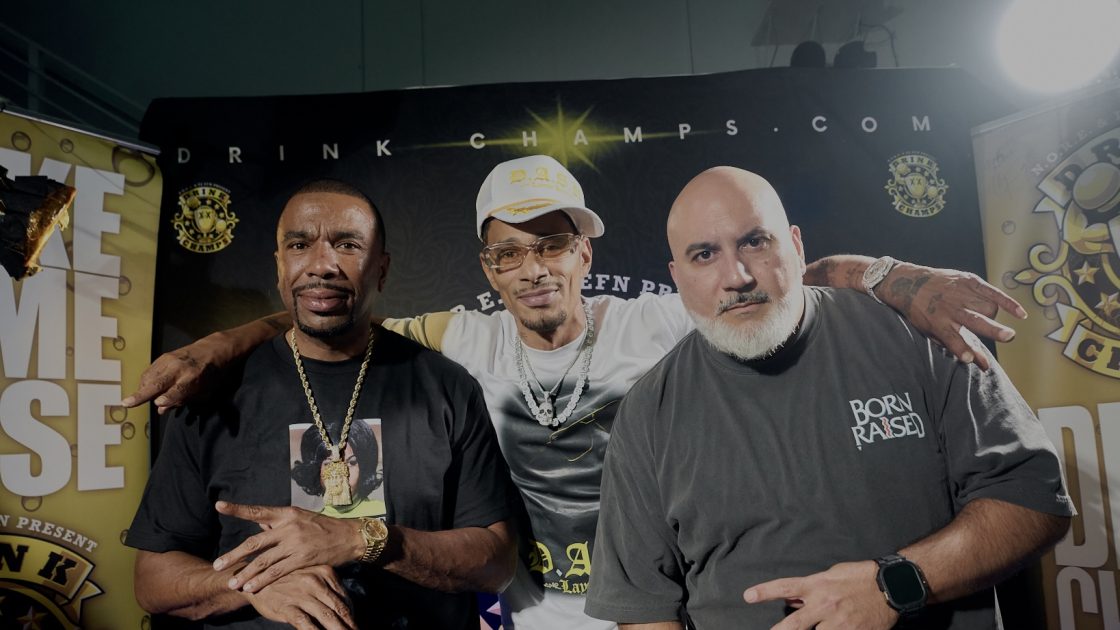
Layzie Bone’s latest Drink Champs appearance revisited long-standing frustrations about money, publishing, and artist exploitation during the Ruthless Records era. His stories about contracts, recoupment, and royalty confusion are specific to Bone Thugs-N-Harmony, but the themes are familiar. Decades later, artists are still having many of the same conversations about ownership, leverage, and understanding the business they’re signing into. [YouTube]