
April 13, 2026 — Coachella, courts, and the culture’s long game
Clipse remind everyone they’re built for the long game
Pusha T and Malice tore down Coachella with a one-hour set that balanced new material from Let God Sort Em Out with “Grindin’,” “Keys Open Doors,” and other catalog staples — Travis Barker on drums at the top of the show. [HipHopWired] Technical hiccups didn’t faze them. The emotional peak came during “The Birds Don’t Sing,” performed under a montage of family photos that ended on their late parents — a quiet flex that 20-plus years of coke raps and personal loss have become a still-moving live ritual. [HipHopWired] In a festival era built on spectacle and surprise guests, Clipse are doubling down on catalog and craft.
→ See what every outlet is saying about Clipse at Coachella and their comeback era →
Young Thug’s still fighting for his next chapter — and the narratives around him
Thug’s Coachella performance is being framed as a “resounding success” — proof he can still command a massive stage after the YSL RICO saga and a lukewarm reception to UY Scuti in 2025. [HotNewHipHop] The coverage leans on fans reading this as a reset — a chance for Thug to lean back into his strengths without a comeback headline hanging over every song. [HotNewHipHop] At the same time, DJ Akademiks just called Thug’s latest leaked snippet “garbage” while still naming him one of Atlanta’s greatest. [HotNewHipHop] That’s exactly where Thug sits right now: legend status secured, quality control under scrutiny in real time.
→ Get the full picture on Young Thug’s comeback, his Coachella set, and where his music stands now →
The Kendrick-Drake fallout is a cautionary tale now, not just a highlight reel
Retrospective coverage of the 2024 Kendrick-Drake feud is landing in a different register. Kendrick’s “Like That” verse on Metro Boomin and Future’s track kicked off a run of increasingly personal diss records, culminating in “Not Like Us” being widely treated as the winner’s anthem. [HipHopHero] The same pieces also underline how aggressive the back-and-forth became and raise real concern about how far public rap wars are willing to go beyond the music itself. [HipHopHero] We’re in the phase where the industry is asking whether that kind of escalation is sustainable — even as everyone waits on Drake’s next era to reset the board.
→ See every angle of the Kendrick-Drake beef and what the fallout means for hip-hop →
The hookah lounge is now officially part of hip-hop’s luxury language
A culture feature digs into why hookah has become a fixture in rap spaces — especially in Atlanta, New York, L.A., Houston, and Miami, the cities that define the genre’s geography. [The Source] The argument is direct: hookah sessions mirror the core hip-hop ritual — the block party, the cipher, the studio hang — as unhurried communal spaces where something real can happen. Hardware evolution matters too. German-engineered rigs with precision airflow and high-end materials turned hookah from a background prop into a performance object, aligning with the genre’s obsession with customization and status. [The Source]
→ Explore why hookah became hip-hop’s luxury ritual and what it says about the culture →
Jay-Z keeps tying the culture back to institutions, not just charts
The Shawn Carter Foundation’s HBCU Bus Tour hit Atlanta, offering juniors with at least a 2.0 GPA a fully sponsored look at Black colleges — complete with SAT/ACT support, financial-aid coaching, and interview and dress-for-success training. [AllHipHop] The reporting is clear: this isn’t a photo-op. Students keep journals, study civil-rights history, and are pushed to see HBCUs not as “school options” but as pillars of Black excellence. [AllHipHop] In a week where most headlines orbit drama and spectacle, this is the quiet structural work that keeps hip-hop tethered to real-world opportunity.
→ See the full scope of Jay-Z’s educational work and the Shawn Carter Foundation →
Ice Spice’s brand power collides with small-business reality
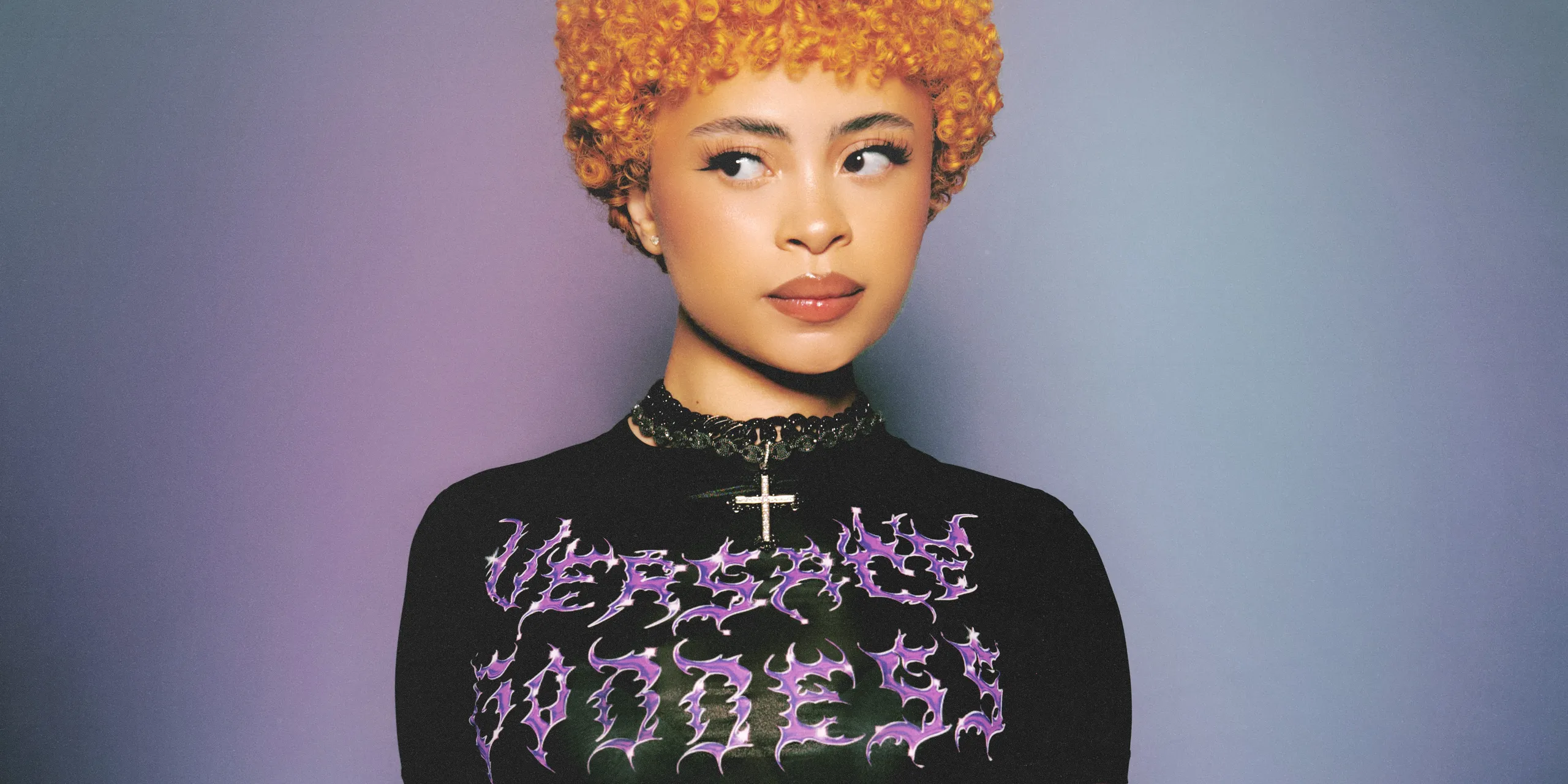
Ice Spice is facing a lawsuit from The Bella Brand, which alleges she ordered 25 custom wigs for a discounted $20,000, then refused to pay, didn’t take delivery, and publicly trashed the brand — allegedly costing the stylist thousands and a repeat celebrity client. [HipHopWired] The company is seeking $400K in compensatory and punitive damages. Spice is headed for a deposition. [HipHopWired] It’s a reminder that in the influencer-rapper economy, a single negative post from a star can hit a small business like a cease-and-desist.
→ Get the full breakdown of the Ice Spice wig lawsuit and what it says about celebrity power →
Visuals are no longer optional — even for indie rap
A deep-dive on AI video tools spells out the new baseline: in 2026, heavy 808s and rapid-fire bars aren’t enough without visuals that can live on TikTok, Reels, and YouTube. [The Source] For indie rappers without major-label budgets, generators like Luma’s Dream Machine offer near-cinematic B-roll and stylized visualizers — even if they still struggle with beat-specific rhythm and AI morphing artifacts. [The Source] The through-line is direct: the gap between having a song and having a visual world is now the gap between local buzz and real breakout.
→ See how AI video tools are changing the game for independent hip-hop artists →
Street violence and mental health shadows follow battle rap again
New reporting confirms former New York battle rap figure Fox 5 (Anthony Griffin) was shot and killed by NYPD at Grand Central after allegedly attacking three elderly subway riders with a machete. [HipHopWired] The piece notes overall city crime is down but frames the incident as a sharp reminder that battle rap’s underground legends often carry unaddressed mental health crises and economic instability long after the cameras leave. [HipHopWired]
→ Get the full context on Fox 5’s story and what it says about battle rap’s hidden costs →
Footnote for the heads: Mobb Deep’s first step turns 33
Today marks 33 years since Juvenile Hell, Mobb Deep’s debut. With early production help from DJ Premier and Large Professor, it didn’t hit like The Infamous — but it quietly laid the sonic blueprint that Havoc and Prodigy would perfect two years later. [The Source] In hindsight, it’s the raw sketch of an East Coast sound that shaped an entire generation of rappers and producers — proof that classic runs often start with flawed, foundational attempts. [The Source]