
April 14, 2026 — Rock Hall flowers, Tax Day receipts, and Proof from beyond
Wu-Tang and Queen Latifah push hip-hop deeper into the Rock Hall
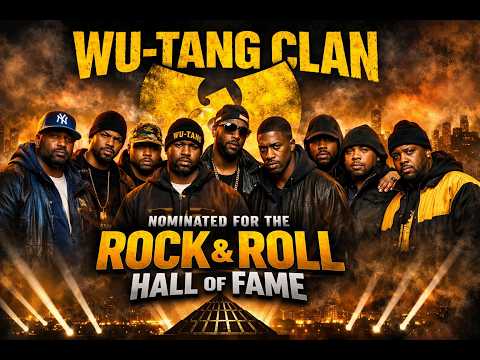
The Rock & Roll Hall of Fame confirmed its 2026 class led by Wu-Tang Clan as Performers and Queen Latifah and MC Lyte as Musical Influence inductees — a lineup that basically admits hip-hop is now part of rock’s spine, not its sidebar. [HipHopWired] Wu-Tang’s induction is framed as an overdue moment for a collective that reimagined what rap could be — from RZA’s cinematic dust to the solo-career tree that grew out of one Staten Island trunk. Latifah and Lyte enter through the influence door, with the Hall explicitly calling Latifah the original female hip-hop superstar and spotlighting Lyte’s early gold records as institutional firsts. [HipHopWired]
This lands on top of a Hall timeline that already includes Run-DMC, Public Enemy, N.W.A, Pac, Big, Missy, and Eminem. [HipHopWired] The canon and rap are now inseparable. If you’re still debating whether hip-hop belongs in the Rock Hall in 2026, you’re arguing with history, not just taste. [Sway’s Universe]
→ See the full history of hip-hop in the Rock Hall — every inductee and why it matters →
Hip-hop’s Hermès era moves from gatekept to peer-to-peer
A new deep dive tracks how Hermès has shifted from unattainable flex to something fans can actually access through authenticated resale. [The Source] The pieces moving that mirror hip-hop’s taste are predictable but telling: loud-color Birkin and Kelly bags, H belts over streetwear fits, Clic H and Kelly Double Tour bracelets stacked up, silk scarves reworked as headwear, Oran sandals anchoring off-duty looks. The bigger point: the culture stopped waiting for a boutique call that was never coming. Pre-owned markets let the same kids who grew up decoding these items in videos finally participate in the language instead of just watching it from the timeline. [The Source]
→ Explore how Hermès became hip-hop’s luxury shorthand and what that shift means →
Pooh Shiesty’s “Staples run” shows how forensic fans have become
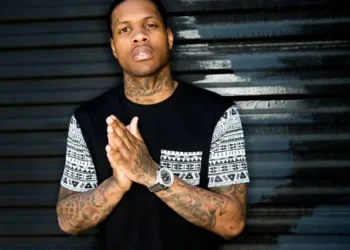
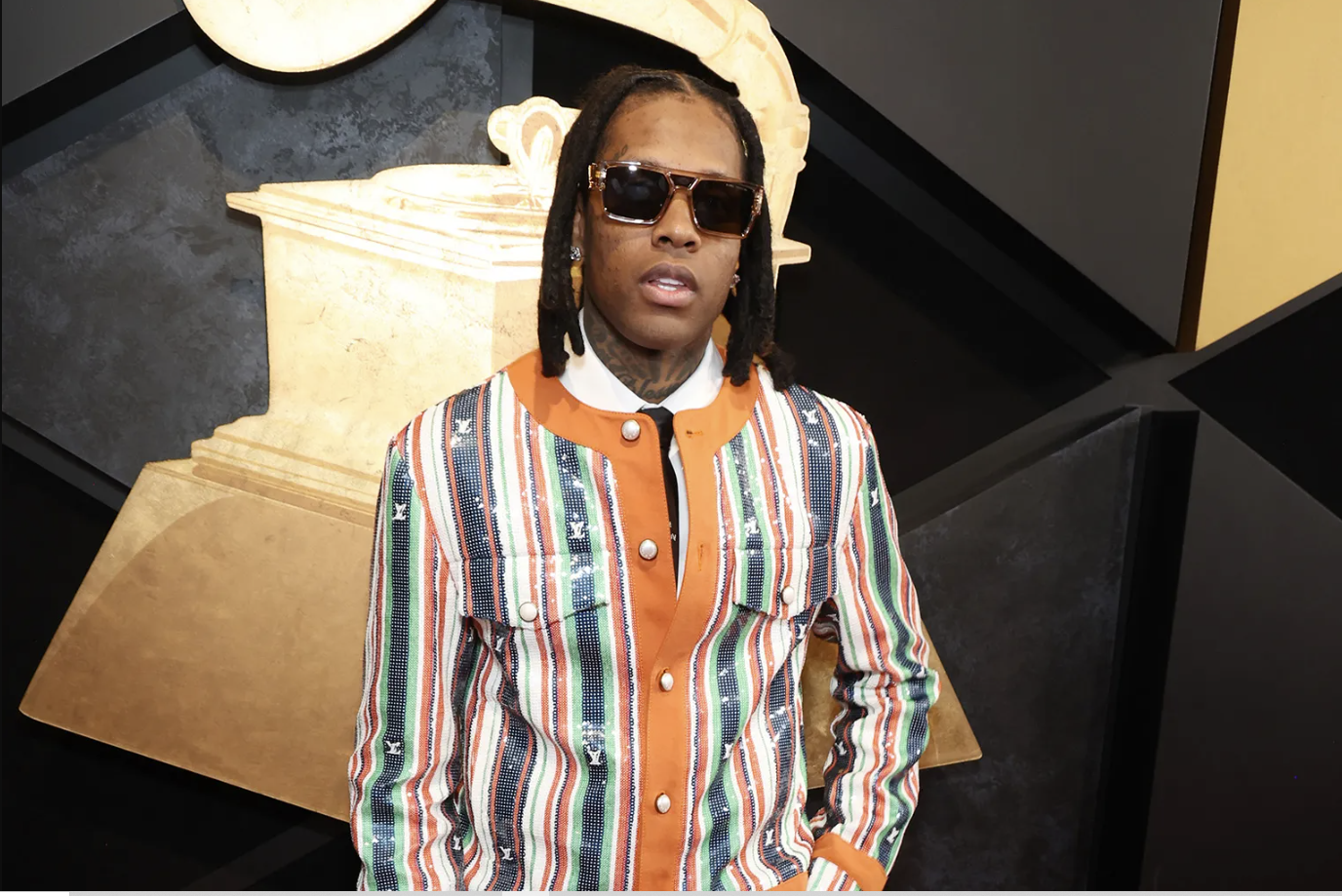
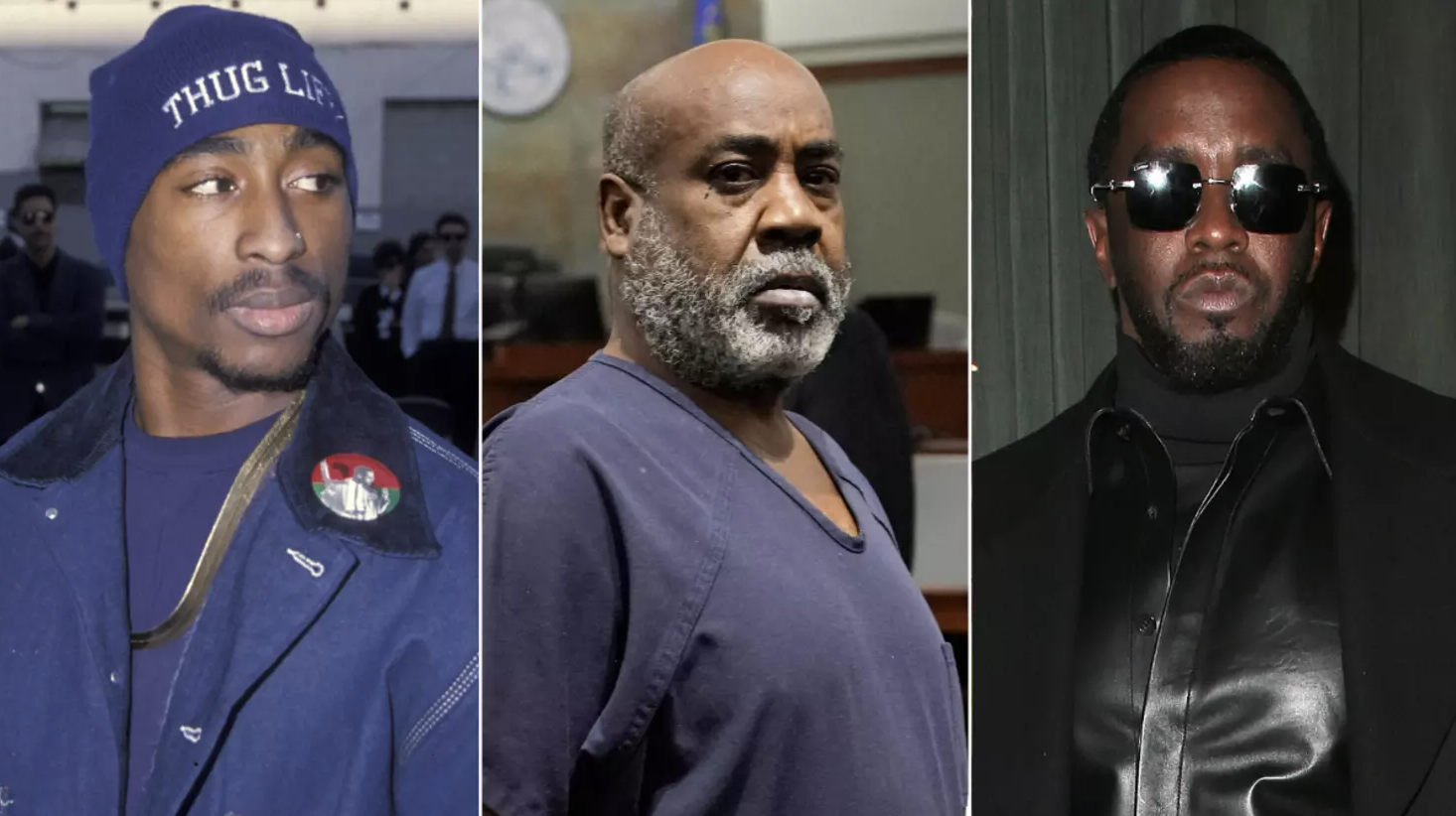
The federal kidnapping case against Gucci Mane drilled into one detail that broke the internet: surveillance of Shiesty, his father, and Big30 at a Staples store before the alleged studio incident — footage the feds framed as them printing a contract release. [XXL] Defense lawyer Bradford Cohen pushed back immediately: late-night Staples is normal for chaotic studio sessions — lyric sheets for multiple artists on a track — and that footage means nothing beyond process. [AllHipHop] Online chatter turned into a full CSI breakdown of a print job. That’s where fan attention lives in 2026: hyper-analyzing camera frames in real time instead of waiting on actual legal outcomes. [AllHipHop]
Lil Pump reminds everyone clout is still his main product
Lil Pump jumped into the Gucci-Pooh discourse by threatening to flush his 1017 chain down the toilet — a move timed to the kidnapping allegations and designed entirely to generate a reaction. [HotNewHipHop] This comes after he already tried to bait J. Cole — the same Cole who once sat down with him to talk growth — in a move widely read as foul and transparent. He’s slid from chart-topping artist to full-time troll streaming on Kick, and the collective hip-hop memory has mostly moved on. The latest stunt is another attempt at the 6ix9ine playbook without the cultural grip that made 6ix9ine’s chaos compelling in the first place. [HotNewHipHop]
→ See what happened to Lil Pump’s career and how the clout economy works in hip-hop →
Posthumous Proof: D12 leans into “real vs. AI” in 2026
D12 announced D12 Forever, a new album built around unreleased Proof vocals, timed to the 20th anniversary of his death. They’re framing it as an authenticity flex in an AI-saturated era. [Rap Industry] With states still scrambling to regulate AI voice clones and no federal guardrails in place, D12 is making a point of confirming these are real recordings cleared by Proof’s estate — not synthetic re-creations. Features from Xzibit and B-Real signal a smart dual-audience play: 40-plus heads who grew up on the original D12 chaos and younger fans finding them through algorithm rabbit holes. [Rap Industry]
→ Get the full story on D12 Forever, Proof’s legacy, and the posthumous rap debate →
Tax Day rap lore: Quavo joins a long, messy lineage
With Tax Day landing April 15, a new piece runs through hip-hop’s complicated relationship with the IRS — from Flo Rida’s early-2010s lien for nearly $1.2 million to a fresh federal lien on Quavo alleging almost $2.9 million owed for 2021–2023. [HipHopWired] These aren’t just math problems. They’re cautionary tales about fame outpacing financial planning — proof that plaques and business ventures don’t stop the IRS from pulling up. For a culture that’s preached hustle, ownership, and turning little into a lot, the recurring tax sagas hit like a quiet counter-narrative. [HipHopWired]
→ See the full history of rappers and the IRS — and why the tax saga keeps repeating →
Juicy J’s “Slob on My Nob” origin story still defines DIY Memphis mythology
A fresh feature revisits how Juicy J wrote “Slob on My Nob” as a high school junior at Northside High in Memphis — scribbling verses in history class, hiding them in a textbook, then recording a whispered version on a $100 Tascam four-track in his bedroom so his mom wouldn’t hear. [HipHopHero] He’s been clear that the lyrics were more humor than autobiography — he was too broke for the lifestyle he described — and even jokingly credited his history teacher, Papa Owens, in the official notes. [HipHopHero] The staying power of that song is proof of an old truth: in hip-hop, a raw, fully believed idea can outlast budgets, studios, and respectability.
→ Explore Juicy J’s full Memphis come-up and how Three 6 Mafia built their empire →