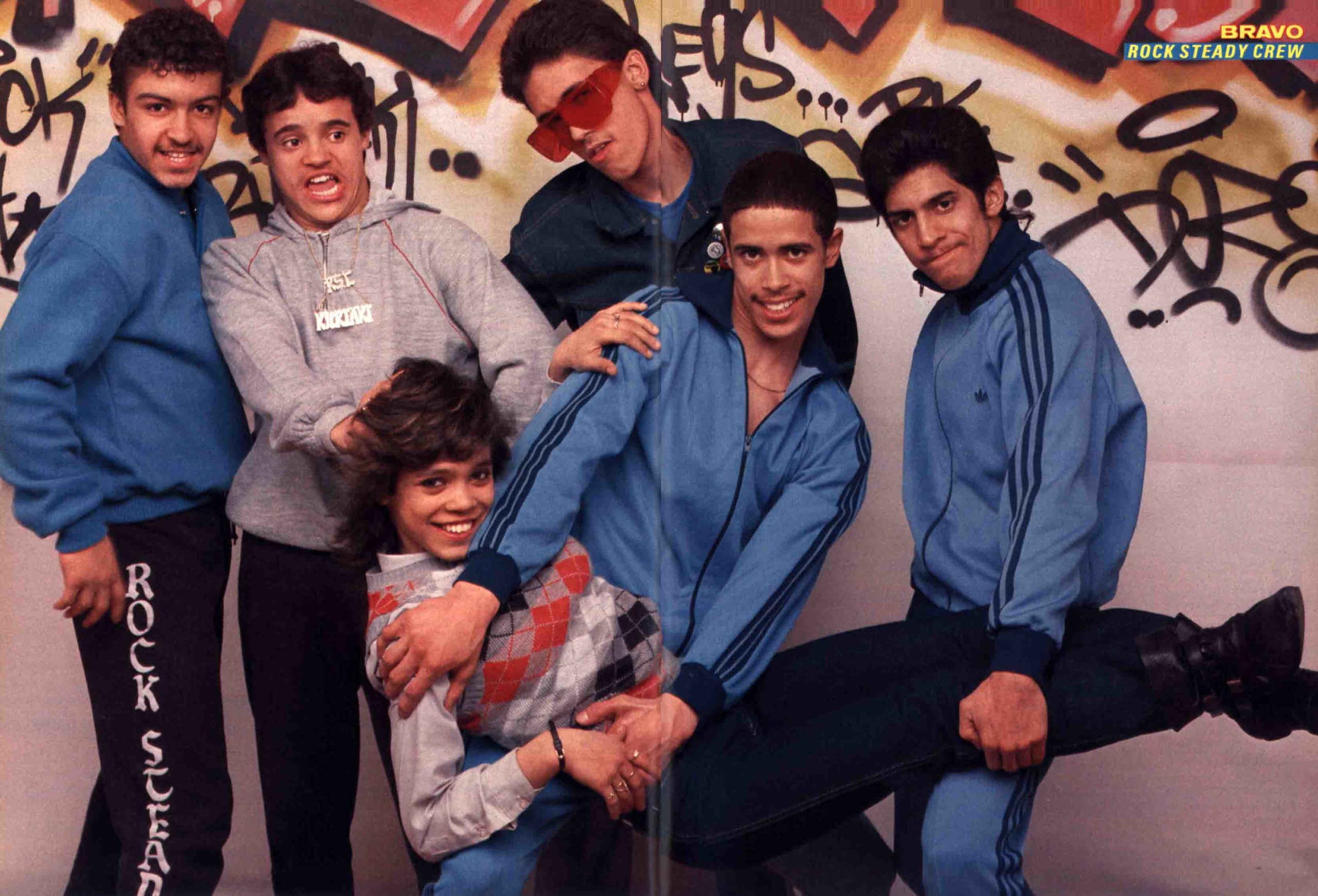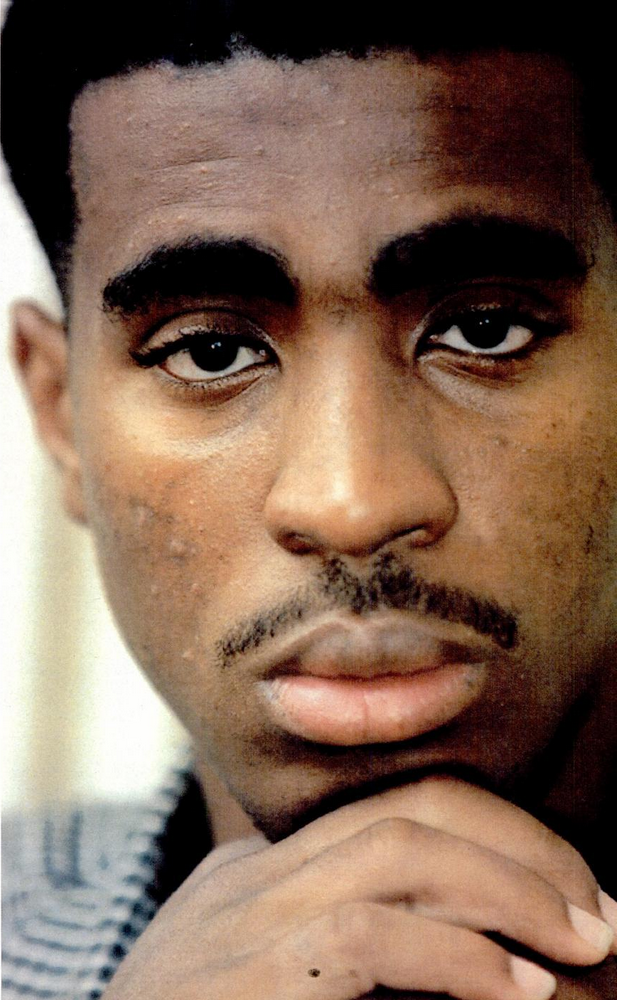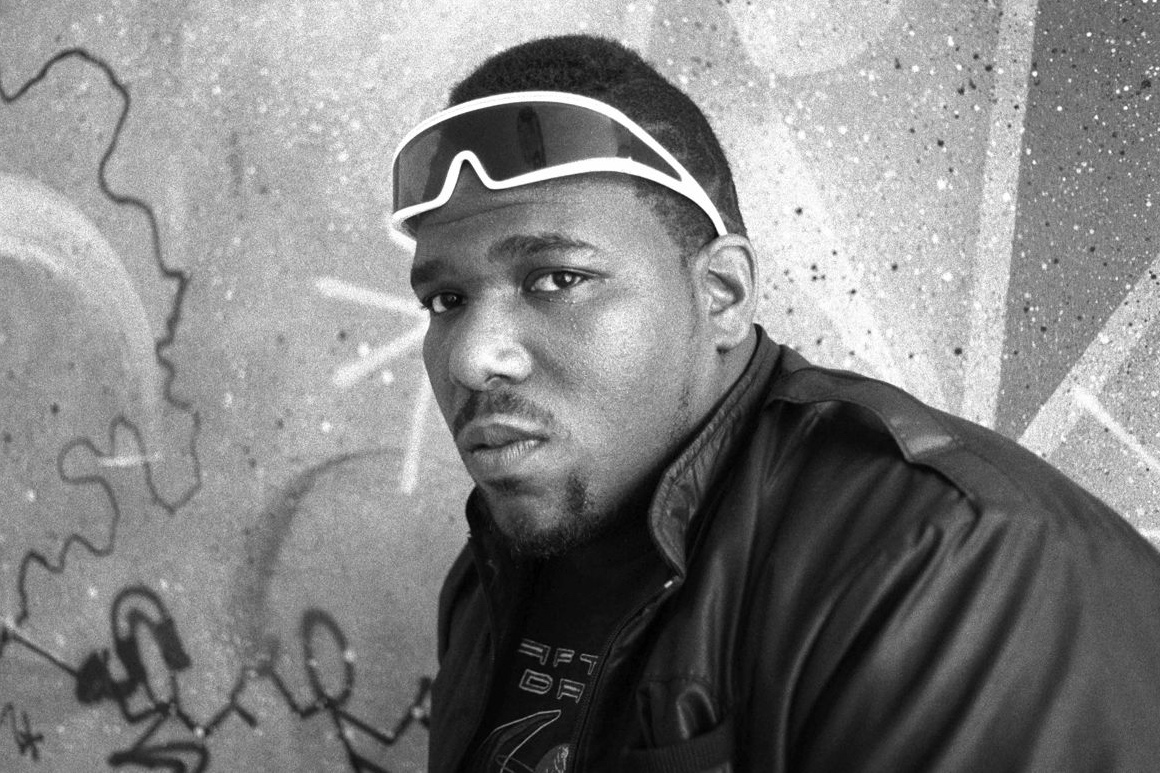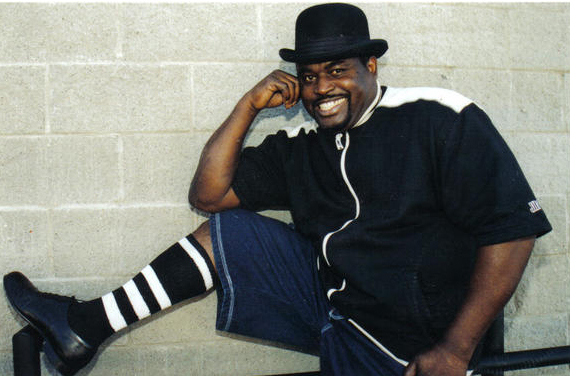

Hip-hop today was moving on three parallel timelines: the pioneers who built the infrastructure, the Southern architects getting their flowers, and a new generation of digital-native artists and events rewriting what “the culture” looks like in real time. From Soulja Boy watching his once-mocked sound turn into sample currency, to Goodie Mob turning an award into a business seminar, to SIMIEN quietly building an all-sister indie machine under Akon’s wing, the day’s stories all circled the same themes—ownership, community, legacy, and how Black cultural spaces fight to stay funded and safe in a more hostile landscape.[hiphopwired]
Soulja Boy’s Vindication Loop
At Birthday Bash XXX, Soulja Boy framed his career as a full-circle moment: the same sound that was dismissed as ringtone fluff is now being sampled by GloRilla, Megan Thee Stallion, and Latto, pushing his ideas back onto the charts.[hiphopwired]
That’s not just a flex; it’s a reminder that “meme” eras often become sonic blueprints. What critics called disposable in 2007 is now a resource drawer for contemporary Southern women rappers building their own anthems.[hiphopwired]
In the long view, it slots Soulja next to a lineage of artists whose innovations were laughed at first, emulated later—mirroring how early park jams went from neighborhood noise to global template.[hiphopsince1987]
Learn more about Soulja Boy’s Vindication Loop
Goodie Mob, Rico Wade, and Atlanta’s Long Game
Also at Birthday Bash XXX, Goodie Mob accepted the Rico Wade Game Changer Award and used it less like an acceptance speech, more like a panel on survival: stay humble, watch everything, enjoy life, but read the contracts and understand the business.[hiphopwired]
That advice hits different with Wade’s legacy in mind—Dungeon Family turned regional experimentation into a global grammar for rap and R&B; now its veterans are warning the next wave not to separate art from paperwork.[hiphopwired]
It underscores Atlanta’s current phase: Birthday Bash is no longer just a show; it’s an annual summit where Gucci, T.I., Scrappy, and others symbolize a city treating its own history as canon in front of tens of thousands.[hiphopwired]
Learn more about Goodie Mob, Rico Wade, and Atlanta’s Long Game
SIMIEN and the Sister-Run Machine Era
SIMIEN, a trio of sisters with Creole and Native roots who grew up in L.A. and are now based in Atlanta, surfaced today as a case study in how Gen-Z R&B/adjacent acts are structuring themselves: they write, produce, and engineer their own music, and see that hands-on approach as a core value, not a quirk.[rollingout]
Their Akon collab “Sugar” came together organically—hook, verses, then Kon jumping in—with the video styled via a Pinterest rabbit hole that accidentally landed on a Bridgerton-adjacent aesthetic, shot as a full-family affair.[rollingout]
Under Konvict Kulture, they describe an environment of “a lot of creative freedom,” while quietly amassing over a million TikTok followers off authenticity and unforced content rather than a manufactured campaign.[rollingout]
Read against the wider history—from DJ Kool Herc transforming breaks in community spaces to artists now treating TikTok as the new block party—SIMIEN embodies an updated DIY: the label is a partner, not the architect.[hiphopsince1987]
Learn more about SIMIEN and the Sister-Run Machine Era
Block Parties to Brand Risk: Spectacle vs. Substance
A feature on hip-hop’s origins today re-centered DJ Kool Herc’s experimentation: looping funk breaks with two copies of the same record so the crowd could live inside the groove longer, effectively turning the DJ from selector into creator and the park into a laboratory.[hiphopsince1987]
Contrast that with Las Vegas’ Brand Risk 14, where 6ix9ine calling out Chris Brown and Ray J getting knocked out by Supa Hot Fire—then claiming the fight was pre-arranged in his favor—turned a celebrity boxing card into a discourse about how serious allegations, clout-chasing, and spectacle now intersect.[rollingout]
The thread between the two: hip-hop spaces have always been theater, but the stakes have shifted from neighborhood bragging rights to monetized chaos. The culture is still negotiating where the line sits between entertainment and enabling.
Learn more about Block Parties to Brand Risk: Spectacle vs. Substance
Work, Jail, and the End of “Doing a Bid For the Homies”
On Million Dollaz Worth of Game, the conversation cut against the old “I don’t work for nobody” bravado. Hosts pointed out how many legendary rappers held jobs to fund their careers, and warned that if you reject legitimate work but end up incarcerated, you’ll still be “working for the man” inside—just with worse pay and fewer options.[youtube]
They also noted a cultural shift: in the ’80s and ’90s, it was more normalized to “ride the bid” with someone; now, they argue, nobody is doing time with you, and the glamorization of holding it down is eroding.[youtube]
It’s prison abolition politics in barbershop language, and it quietly challenges generations of rap mythology around loyalty, sacrifice, and the hustle.
Learn more about Work, Jail, and the End of “Doing a Bid For the Homies”
Black Spaces, Safety, and Who Pays the Bill
Outside the studio, several stories today underlined how Black cultural and student spaces are being defended by Black institutions rather than the systems that should be supporting them.
At Mizzou, after the university stripped guaranteed funding from the Legion of Black Collegians and folded them into a general pool—citing a DOJ memo on DEI—the Alfred Street Baptist Church in Virginia stepped in to fund the org directly, explicitly framing it as “we will support our own” and pushing back on what students called “intentional erasure.”[thegrio]
In South Carolina, Black Bike Week—long a Memorial Day institution for Black riders, fashion, and music—was rocked by a crowd panic that injured 19, despite no gunfire or active threat being found.[thegrio] That incident sits on top of a documented history of unequal policing and traffic policies when compared to the region’s white-dominated Harley Week.[thegrio]
Meanwhile, Atlanta’s Grind Pretty Fest is building the opposite condition: an intentionally supportive ecosystem for Black women entrepreneurs in media, beauty, sports, and beyond, with panels on “The AI Effect in Media,” “The Pressure to Perform,” and “Power of the Pivot,” plus performances from Nivea and others grounded in early-2000s nostalgia.[thegrio]
Taken together, you see a familiar pattern: Black joy and organizing are either over-policed, under-funded, or self-funded; the culture keeps making room for itself anyway.
Learn more about Black Spaces, Safety, and Who Pays the Bill
A Global Reckoning Echoing Through the Culture
Even outside hip-hop’s immediate lanes, the day carried a resonance: Pope Leo XIV issued an unprecedented apology for the Catholic Church’s role in legitimizing slavery, calling it a “wound in Christian memory,” with the twist that his own lineage includes both enslaved people and slaveholders.[thegrio]
He connected historic slavery to modern exploitation around human trafficking, forced labor, and even the labor behind rare minerals for AI chips, warning that failure to act now could require future apologies.[thegrio]
For Black Catholics and descendants of enslaved Africans, the apology is historic but incomplete; critics note the Church still hasn’t formally revoked the documents that underwrote that violence.[thegrio]
For hip-hop, which has spent decades forcing institutions to acknowledge both historical and present-day harm, that tension—between symbolic language and material repair—will feel painfully familiar.
Learn more about A Global Reckoning Echoing Through the Culture
Bottom Line
Today’s hip-hop news cycle wasn’t about one blockbuster drop; it was about continuity. The pioneers who turned park jams into a global language, the Southern elders turning awards into business sermons, and the young acts building sister-run empires on TikTok are all working the same problem: how to keep Black cultural spaces creative, funded, and safe when the institutions around them are shaky. The culture’s answer, again, is to build its own scaffolding—whether that’s a church funding a Black student government, a fest centering Black women entrepreneurs, or a trio of sisters running their whole operation from the inside out.[hiphopwired]