
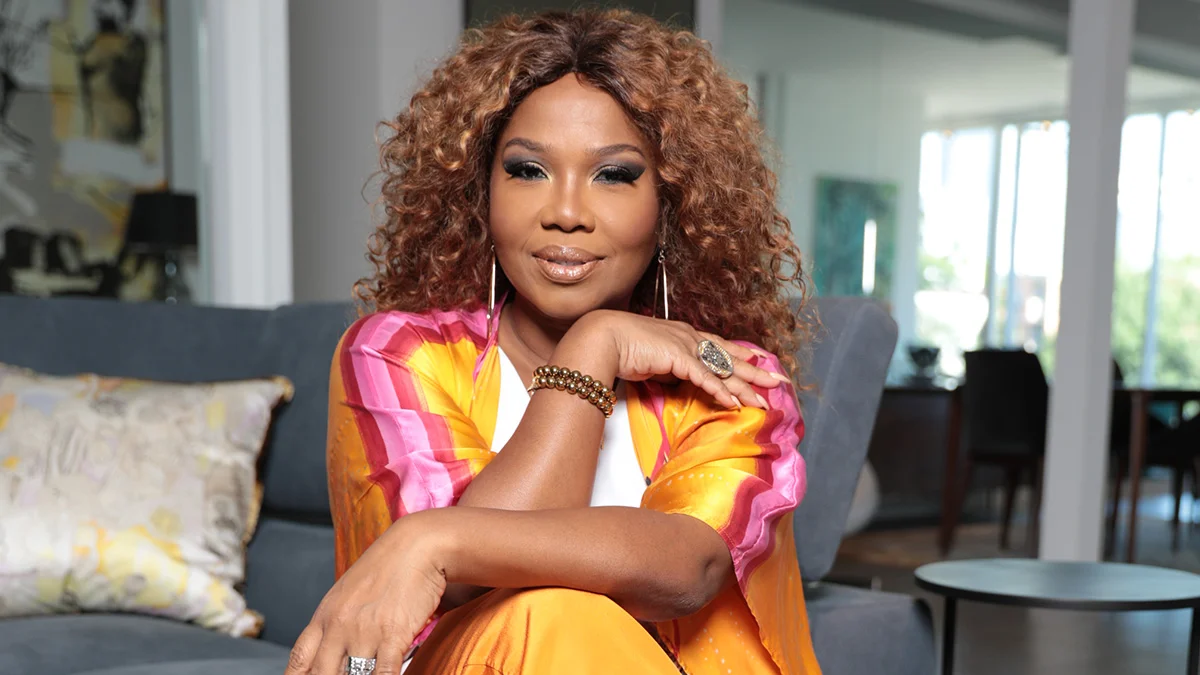
Love & Hip Hop, launched on VH1 in 2011 by music-industry insider Mona Scott-Young, transformed how rap’s behind-the-scenes drama reached audiences. What began as a look at rappers’ relationships became a ratings juggernaut, and Scott-Young’s pivot from managing artists like Missy Elliott to building a reality-TV empire reshaped hip-hop’s media footprint.
The Spark That Started a Franchise
When Love & Hip Hop first hit VH1 in 2011, it didn’t just pull back the curtain on the hip-hop world — it ripped it off the rails. What started as a behind-the-scenes look at rappers and their relationships became a cultural juggernaut, commanding cable ratings and defining Monday nights for nearly a decade.
At the center stood Mona Scott-Young — a music industry insider turned television architect. Her pivot from managing Missy Elliott and Busta Rhymes to building a reality TV empire wasn’t just a career move; it was a strategic rewrite of what urban storytelling could look like on mainstream television.
She saw what others missed: the drama behind the hits was its own kind of entertainment. That instinct would turn into one of the most lucrative — and debated — formulas in unscripted television.
Mona’s Method: Real, Recreated, Relentless
Scott-Young’s genius wasn’t just in access — it was in architecture. She understood the rhythm of hip-hop and the rhythm of television were the same thing: tension and release.
At Violator Management, she learned how personality moves markets. That lesson became the foundation for Love & Hip Hop’s production philosophy: “We don’t fabricate, but we do recreate.”
That line became gospel. Producers didn’t invent stories — they amplified them, reshaping real events into something bigger, cleaner, and sharper than life itself. The result? A kind of “hyper-reality” — part documentary, part soap opera — that gave the show its pulse and its controversy.
Critics called it exploitative. Viewers called it addictive. VH1 called it a hit.
But beneath the spectacle, Scott-Young had a mission: to show women in full color — messy, driven, emotional, flawed, ambitious. “Consistency builds credibility,” she once said. That was her secret weapon. Drop content every week, keep it real enough to feel true, and the audience will stay locked in.
The Origin Story: From Jim Jones to a Cultural Earthquake
Love & Hip Hop didn’t begin with a grand plan. It started with a rapper — Jim Jones — pitching VH1 on a reality show about his life. The pilot, Keeping Up with the Joneses, showed promise but not enough for a full series.
Then came Mona. She reworked the concept, shifting focus from the rapper to the women orbiting that world — his girlfriend, her circle, their ambitions. Inspired by ensemble-driven shows like Real Housewives, she flipped the lens. The result was Love & Hip Hop: New York, which premiered in 2011 and quickly found its footing.
But the real explosion came one year later.
When Love & Hip Hop: Atlanta dropped in 2012, the game changed. Stevie J. and Joseline Hernandez’s chaotic love triangle with Mimi Faust became instant legend — a volatile mix of passion, betrayal, and televised spectacle. Critics decried its “negative portrayals,” but controversy only made it stronger. Ratings climbed, hashtags spread, and the show became unavoidable.
By the end of that year, Atlanta was pulling in over 3 million viewers per episode. VH1 had its crown jewel.
The Empire Era: Monday Nights Belonged to Mona
From 2014 to 2017, Love & Hip Hop wasn’t a show — it was an ecosystem. VH1 ran it year-round, alternating cities like a relay race: New York, Atlanta, Hollywood, Miami. Each one fed the next, keeping fans glued in and advertisers flush.
Ray J, Soulja Boy, K. Michelle, and countless others cycled through its universe. The network doubled down with spin-offs, specials, even a televised wedding. The franchise had colonized Monday nights.
At its peak, Love & Hip Hop: Atlanta became the #1 reality series on cable for women 18–49 — the most coveted demographic in TV. It was a machine powered by real people and manufactured emotion, but also by something deeper: visibility.
The show made stars out of personalities the industry had ignored. None bigger than Cardi B — who went from viral Instagram comedian to Love & Hip Hop: New York’s breakout star. She turned that exposure into a Billboard takeover, proving Mona’s vision worked. The show didn’t just mirror hip-hop culture — it made it.
Confronting Culture and Controversy
By mid-decade, the franchise began confronting issues it had long been accused of ignoring. Love & Hip Hop: Hollywood introduced its first openly gay couple, Milan Christopher and Miles Brock, sparking real conversations about queerness in hip-hop. VH1 followed up with Out in Hip Hop, a national roundtable that pushed the culture forward — even as the show’s reputation for messy drama persisted.
Moments like these proved the franchise could be more than spectacle. It could be a mirror, too — reflecting the contradictions inside the culture it celebrated.
The Fall: When the Cameras Stopped Rolling
Every empire hits turbulence. For Love & Hip Hop, that moment came after 2017.
Joseline Hernandez’s departure from Atlanta marked a symbolic shift. Viewership across all cities began to slide. The pandemic hit in 2020, halting production and breaking the franchise’s six-year streak of continuous programming. Behind the scenes, production partners changed hands twice. Momentum evaporated.
The data told the story: by 2021, even Atlanta struggled to pull one million viewers — less than a third of its former high.
The audience had moved on. So had the culture.
Reimagining the Brand: From VH1 to MTV
Mona and VH1’s new leadership didn’t fold — they pivoted. The “Reimagining Era” began. Love & Hip Hop: Atlanta shifted to MTV in 2023, signaling a new phase.
The tone changed, too. Episodes leaned heavier into social issues — from Black Lives Matter to colorism — with cast members confronting real-world politics alongside personal drama. Reunion specials like VH1 Family Reunion: Love & Hip Hop Edition pulled stars from all cities, turning nostalgia into programming.
It wasn’t the explosive chaos of the early years, but it showed a franchise trying to grow up without losing its voice.
The Dual Legacy: Profit and Paradox
By every business metric, Love & Hip Hop was a triumph. It generated hundreds of millions in revenue, kept VH1 relevant in the streaming era, and built a star pipeline unmatched in unscripted TV.
Culturally, the picture is messier. The show was a platform and a punchline — a place where Black women could be both center stage and caricatured in the same scene. Critics saw exploitation; fans saw representation. Both were right.
And that’s the paradox that keeps Love & Hip Hop fascinating: it captured the highs and lows of fame, love, ambition, and self-image with equal intensity — often in the same episode.
The Blueprint Lives On
Today, Mona Scott-Young talks about the franchise with the calm of a mogul who knows she changed the game. Whether or not the ratings return, her impact already has.
She proved you could build an empire off authenticity and chaos — that controversy, when harnessed, could be currency.
Love & Hip Hop didn’t just chronicle hip-hop culture; it shaped how the world consumed it. And even as the cameras fade, the blueprint remains: drama sells, truth resonates, and culture — no matter how messy — always finds its reflection on screen.
Sources
- Wikipedia: Love & Hip Hop
- YouTube: Official Love & Hip Hop Channel
- Wikipedia: Mona Scott-Young
- Deadline: Mona Scott-Young on Black Female Voices and Global Expansion
- USA Today: Love & Hip Hop as a $100 Million Franchise
- The Mirror: Love & Hip Hop Reunion Episode Coverage
- HotNewHipHop: Mona Scott-Young Net Worth
- Essence: “We Don’t Make Anything Up” — Mona Scott-Young on Authenticity
- BlackBusiness.com: The Rise of Mona Scott-Young
- Urban Magazine: Industry Legend Mona Scott-Young Interview
- Variety: Mona Scott-Young Signs Unscripted TV Pact with Lionsgate
- Ebony: Colorism and Love & Hip Hop: Atlanta