
In 2026, Megan Thee Stallion is navigating a turbulent stretch all at once: a court declining to intervene in her fight against online harassment, a public breakup, an onstage health scare, and a major new global beauty deal. Together they expose the heavy personal cost of superstardom for the Houston rapper.
Megan Thee Stallion is in one of those stretches where everything hits at once. In a matter of weeks, she tried to pull the courts into her fight against online harassment and was told no, watched a high-profile relationship collapse publicly, scared fans with an onstage health scare, and still locked in a glossy new global beauty deal. None of these events is new in isolation. What’s new is how clearly they expose the cost of being a superstar whose art, body, and personal life are all permanently online and the hard limits of what money, lawyers, and brand architecture can actually protect.
The Milagro Gramz Ruling: A Hard Ceiling on Celebrity Speech Control
In Miami, a federal judge denied Megan’s request for a permanent injunction against blogger Milagro Gramz, ruling she hadn’t demonstrated an “imminent threat of future harm” and warning that what she sought began to look like a prior restraint on speech, the kind of preemptive gag order the First Amendment is built to resist. [AllHipHop] The court’s logic was direct: Megan already received what the law offers for past damage, money. What she couldn’t get was a standing order stopping someone from speaking about her in the future simply because they had been harmful before. The moment her legal team began arguing for that kind of preemptive relief, they collided with the Constitution’s most durable protection against speech suppression.
Put that ruling next to Cardi B’s ongoing war with Tasha K and the real fault line becomes clear. Cardi isn’t asking a judge to pre-clear speech. She already has a nearly $4 million defamation judgment that survived bankruptcy, and is now pushing to sanction what she calls at least 25 violations of a non-disparagement agreement, requesting contempt, fees, and automatic financial penalties every time Tasha speaks on her or her family. [Rap Industry] Tasha’s own filings show she’s brought in roughly $234,805 in personal income this year and has paid about $214,088 toward the $1.2 million she’s required to pay over five years, with the larger judgment still collectible after the plan ends. Cardi’s route is enforcement after harm is established in court. Megan tried to lock the door before anything else was said. The law is clearly more comfortable with one of those approaches than the other, and the Gramz ruling now makes that ceiling explicit for every artist who considers using the courts to get ahead of negative coverage.
Klay Thompson and the Algorithm’s Appetite for Collapse
All of that is playing out while Megan’s personal life does what it always does in the algorithm: trend as narrative. Her breakup with Klay Thompson got framed almost instantly as the collapse of “the most popular romance in hip-hop” and repackaged as “a cautionary tale about trust.” [AllHipHop] The coverage pushed a familiar arc: she’s “taking time to prioritize herself and move forward with clarity,” stepping back from a relationship “built on lies” after investing heavily in it. It is celebrity gossip language, but it also mirrors how fans engage with her music, heartbreak as lesson, public humiliation as fuel.
In that way, the Klay storyline is not just tabloid fodder. It is part of the ongoing demand placed on Megan specifically, which is to turn private collapse into public content on a schedule that serves the timeline. Whether she shapes the narrative or not, the framing is already being done for her. The breakup does not exist as a private event for a public person of her profile, it exists as a content event, one that feeds the same cycle she has been navigating through courtrooms, diss records, and brand campaigns for the better part of five years.
The Body Has Limits the Brand Doesn’t
The performance economy has a physical cost, and earlier this month Megan named it out loud. She nearly fainted onstage and afterward posted an unusually direct statement: “Last night was a real wake-up call for me. I’ve been pushing myself past my limits lately, running on empty, and my body finally said enough.” She admitted she “really tried to push through” but couldn’t, apologized to fans, and promised to return “stronger, clearer, and ready to give you 100% the way you deserve.” [HotNewHipHop]
The surface language is standard crisis management, apologize, reassure, reframe the comeback. But underneath it is something less common: an A-list rapper saying explicitly, in public, that the machinery of performance almost broke her body. The phrase “running on empty” is doing significant work in that statement. For an artist who has spent years navigating legal battles, relentless media scrutiny, and a content cycle that never pauses, naming the exhaustion directly rather than going dark or pivoting to promotion is a departure. It is a rare moment of an A-list rapper acknowledging out loud that the obligation to perform, not just music but resilience, visibility, and perpetual availability, has physical consequences that money and management cannot always absorb.
The Machine Keeps Moving
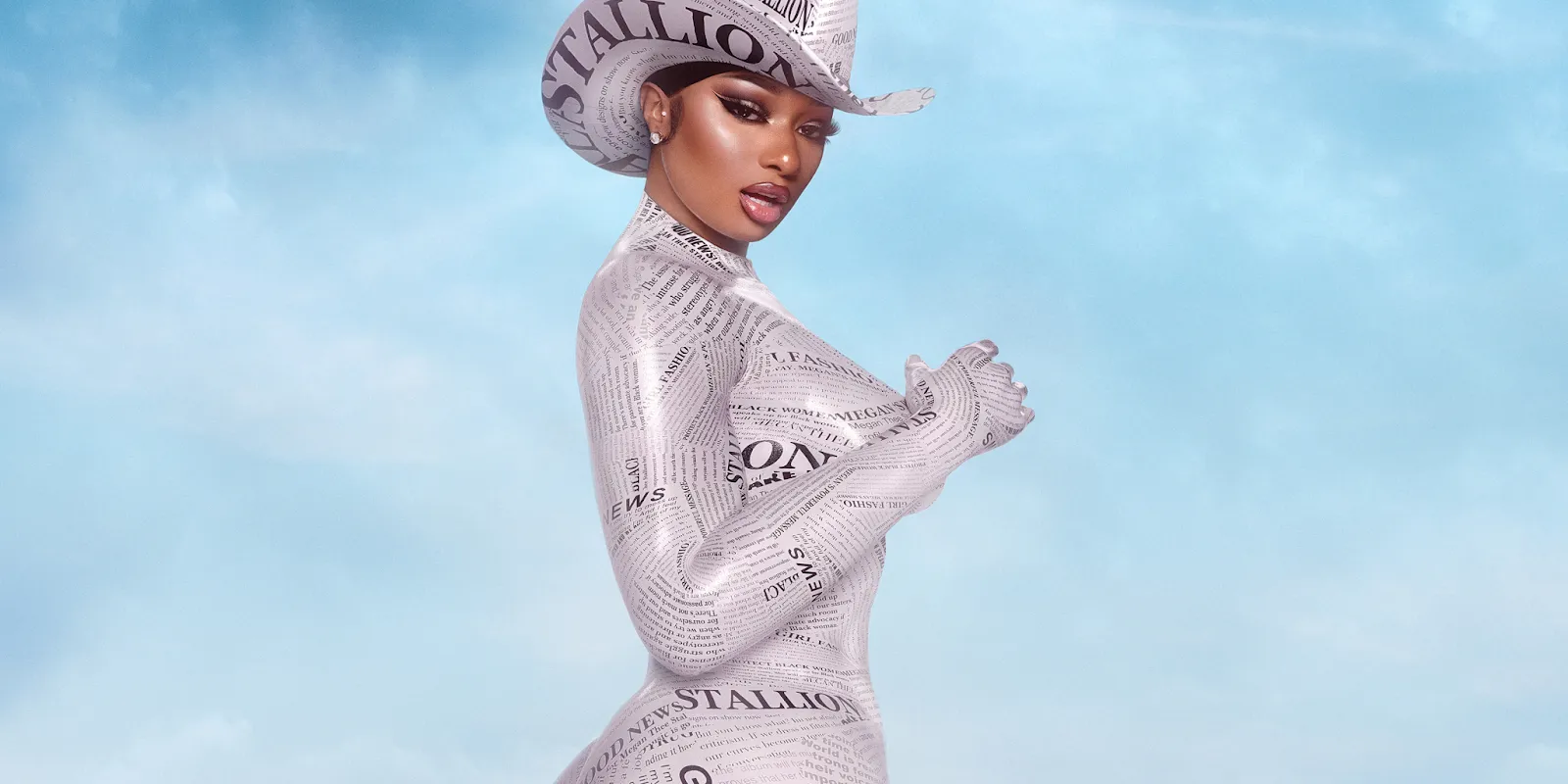
And still, the deals come through. NYX Professional Makeup announced Megan as the face of its new Caramelt Mami Body Oil, the hero product in a Fat Oil Body collection of oils, lotions, butters, and mists rolling out globally across social, digital, and retail channels. [MiixtapeChiick] The campaign is scored to her 2020 single “Body” and launched with language that reads like a condensed thesis on her public image: “boldness, beauty and individuality,” a partner that “raises the bar, pushes boundaries and sets new trends.” Megan’s own quote about teaming up with a brand that “celebrates boldness, beauty and individuality” is a quiet flex embedded in a news cycle that has otherwise been about what she cannot regulate. [MiixtapeChiick]
Courts can define what commentary she can’t preemptively suppress. Blogs can run the breakup narrative. But she is still the one signing the contract, and that contract travels globally. It is a reminder that even as the conversation around her image runs in every direction, she remains the entity monetizing the image those conversations orbit. The brand deals don’t pause for the personal volatility, if anything, they depend on the visibility that volatility produces.
What 2026 Looks Like as a Stress Test
The tension underneath all four of these headlines is the same: there are things that fame can buy and things that fame cannot shield you from. Megan can turn a breakup into a cautionary tale that deepens her connection with listeners. She can convert a wellness scare into a public reaffirmation of her commitment to fans. She can weaponize her visibility into global brand deals that travel far beyond rap. [HotNewHipHop] But as the Milagro Gramz ruling makes plain, there are parts of the public conversation she simply cannot regulate, no matter how large the platform or the legal budget. [AllHipHop]
For hip-hop, where Black women’s labor and lives are routinely overexposed and undervalued, Megan’s 2026 chapter reads less like a one-off moment and more like a stress test: how long can you keep converting public volatility into equity before the cost outweighs the return? The court said no to the injunction. The algorithm said yes to the breakup content. The body gave out mid-show. The brand campaign is still rolling. All four of those things are true at the same time, and the fact that they can coexist without contradiction is exactly what makes her current chapter worth watching closely.