
Hip hop today feels like it’s running on two timelines at once: the veterans fighting for respect and control of their legacies, and a new wave twisting the sound, the business and even spirituality into something harder to pin down but impossible to ignore. From Atlanta stages to New York lists, posthumous books to prison motions, what’s bubbling isn’t just content—it’s questions about who gets written into the culture’s official story, who gets erased, and what it means to still be reinventing yourself when the industry keeps trying to move on without you.[thesource]
Lil Scrappy’s Second Act As an Atlanta Plug
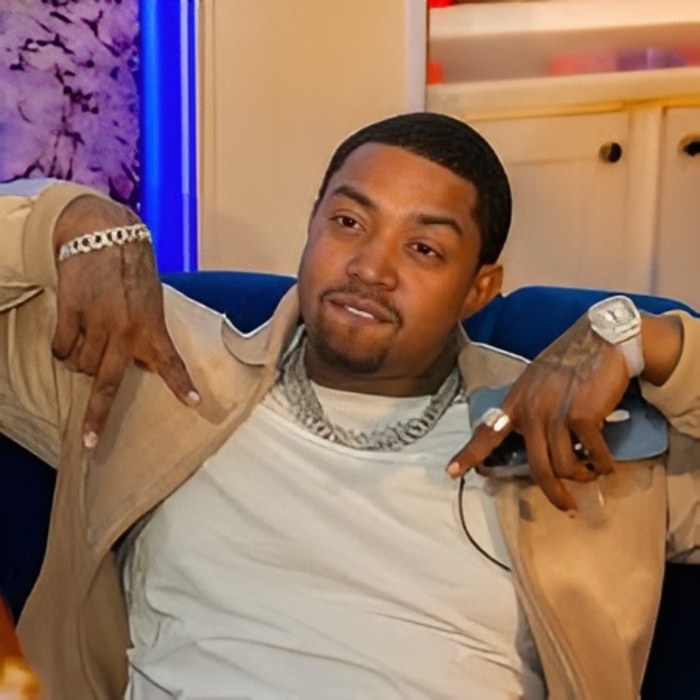
Backstage at Hot 107.9’s Birthday Bash XXX, Lil Scrappy showed up like a man who’s survived several eras and is figuring out how to matter in this one, talking about a “whole new energy” that makes him feel like a new artist again even as fans still remember him as the “Prince of the South” who once had everybody ready to fight.[hiphopwired] He framed his current mission around The Committee and a crop of newer names he’s helping push—picking up where his earlier behind-the-scenes plays for acts like 24Hrs left off—and he was explicit about the politics: give more people opportunity and you get “less robbing,” fewer folks broke, and a safer ecosystem around the music.[hiphopwired] That’s old-school Southern mentorship retooled for a reality-TV era audience, turning a crunk-era figure into something closer to local infrastructure than nostalgia act.
Learn more about Lil Scrappy’s Second Act As an Atlanta Plug
Max B, French Montana & The Fight Over NYC Canon
Max B turned a routine Complex Re-Rank taping into a moment the second he realized he’d been left off their “50 Greatest New York Rappers” list, scanning the names, not seeing himself, and immediately announcing, “I’m finished with this interview, we outta here, Montana” before walking off set.[hot97]
It’s not just ego; it lands the same week he and French Montana are pushing new visuals like “Go, Ladies” and leaning into their Wave Gods 2: Cosmos Brothers campaign, trying to reassert the legacy of a Harlem melodic style that quietly rewired East Coast rap and bled into artists from A$AP Rocky to Drake.[hiphopwired] The clash spotlights a bigger tension: list culture and media canon versus the influence fans and artists swear by on the ground—who gets to be “official” in New York history when the wave you started turned global but your name still slips the rankings.
Learn more about Max B, French Montana & The Fight Over NYC Canon
DMX, K. Michelle & The Ongoing War With The Industry
Michelle lit up timelines by claiming that she, DMX, and Michael Jackson are effectively “banned” from Sony, tying her own fallout—after famously storming the label’s New York offices—to a lineage of Black artists who fought label power structures and allegedly paid for that defiance with their careers.[hot97] She’s spent years calling out exploitation and backroom politics, and fans seized on her decision to mention X and Mike as a symbolic way of framing herself as part of a tradition of stars who clashed publicly with the system even as their art reshaped it.[hot97] Whether or not Sony ever addresses the claim, the narrative adds another chapter to hip hop’s messy, decades-long conversation about what it costs to tell the truth about the business while you’re still in it.
Learn more about DMX, K. Michelle & The Ongoing War With The Industry
‘The Gospel According to DMX’ & Hip Hop’s Street Theology
In a different corner of X’s legacy, his estate announced The Gospel According to DMX, a posthumous collection arriving November 2026 that gathers his prayers, sermons, lyrics and handwritten notes, grounded by a foreword from Rakim and spiritual mentor Pastor Apostle Barbara King plus an appendix of Psalms that shaped his faith.[thesource]
The book is explicit about not being clean or doctrinal—keeping the raw language and contradictions that made him feel like a street preacher more than a Sunday-school figure—and that’s the point: it freezes on the page the spiritual wrestling that ran through his music from “Slippin’” to the tour-prayer tradition.[thesource] At a moment when rap’s relationship to religion is back in debate, X’s writings become another archive of how hip hop has always processed God, pain, and deliverance in its own language, without asking for institutional approval.
Learn more about ‘The Gospel According to DMX’ & Hip Hop’s Street Theology
Mario Judah’s Black Metal Pivot & Rap’s Genre Blur
Mario Judah, who first broke during the pandemic with a gothic, emo-rock-adjacent presence that felt like a throwback to 2000s angst filtered through meme culture, is back with Maniac of More, a four-track EP that leans all the way into black metal aesthetics.[hotnewhiphop]
The project opens with two songs built on harsh, metal-style vocals, swerves into more traditional singing on the third track, then closes with an almost intentionally grating flow, making it “a far cry” from what his original fans expected and blurring the line between hip hop, rock, and performance art.[hotnewhiphop] It’s risky, maybe alienating, but it also tracks with a larger pattern where younger artists treat genre like a costume change—using the tools of hip hop (release channels, fan communities, meme literacy) to smuggle in sounds that would’ve lived in a totally different aisle twenty years ago.
Learn more about Mario Judah’s Black Metal Pivot & Rap’s Genre Blur
Daily Visuals & The Question of Flowers
On the drops front, French Montana and Max B’s “Go, Ladies,” Rapsody’s “Back In My Bag,” Young M.A’s “360 Freestyle,” Chip Fu and Busta Rhymes’ “Have Mercy,” Hit-Boy’s “Franchise Boy,” K Camp and Reese LaFlare’s “Gentlemen,” Rob49’s “How I’m Livin,” and Sheff G’s “Eat, Work, Pray” all hit the visual circuit in one blast, a cross-generational lineup that runs from blog-era vets to newer regional voices.[hiphopwired]
In a separate clip, French Montana used the moment to talk about how rarely artists get their flowers while they’re still alive, pointing to Floyd Mayweather, Michael Jackson, Bob Marley, Jay-Z and Drake as examples of legends he sees “crucified” in public even as they’re still delivering, then specifically shouting out Nicki Minaj as someone who deserves her props now, not later.[hotnewhiphop] Coming from a rapper who’s lived both internet-era memedom and global crossover, the rant feels less like self-pity and more like a reminder that the churn of discourse can flatten the very people whose catalogs built the ecosystem.
Learn more about Daily Visuals & The Question of Flowers
Courts, Carceral Pressure & Careers On the Line
In the legal lane, Tory Lanez’s team filed an emergency motion alleging retaliation from prison guards and arguing his life is in danger, asking a federal judge for a temporary restraining order to halt the alleged conduct while a broader case moves forward.[allhiphop] The judge now has to decide whether to intervene before things escalate, putting another high-profile hip hop name at the center of a story about carceral conditions and the limits of protection even for famous inmates.[allhiphop]
Meanwhile, a looming $90 million trial involving Chris Brown turned into a pre-trial fight over whether checks allegedly written by a security guard to the woman accusing him of assault can be used as evidence, with her lawyers arguing those payments have nothing to do with what actually happened, her injuries, or Brown’s potential liability.[rollingout] Put together, it’s a snapshot of how often rap’s biggest names end up negotiating their futures in courtrooms as much as in studios—where narratives.
Learn more about Courts, Carceral Pressure & Careers On the Line